
Timeless Interior Design: Can You Really Create a Home That Never Dates?
By Catherine, Co-Founder of The Living House - online interior designers based in the UK, with 35 years of combined design experience
"How do I make sure it won't date?"
It might be the question we're asked more than any other.
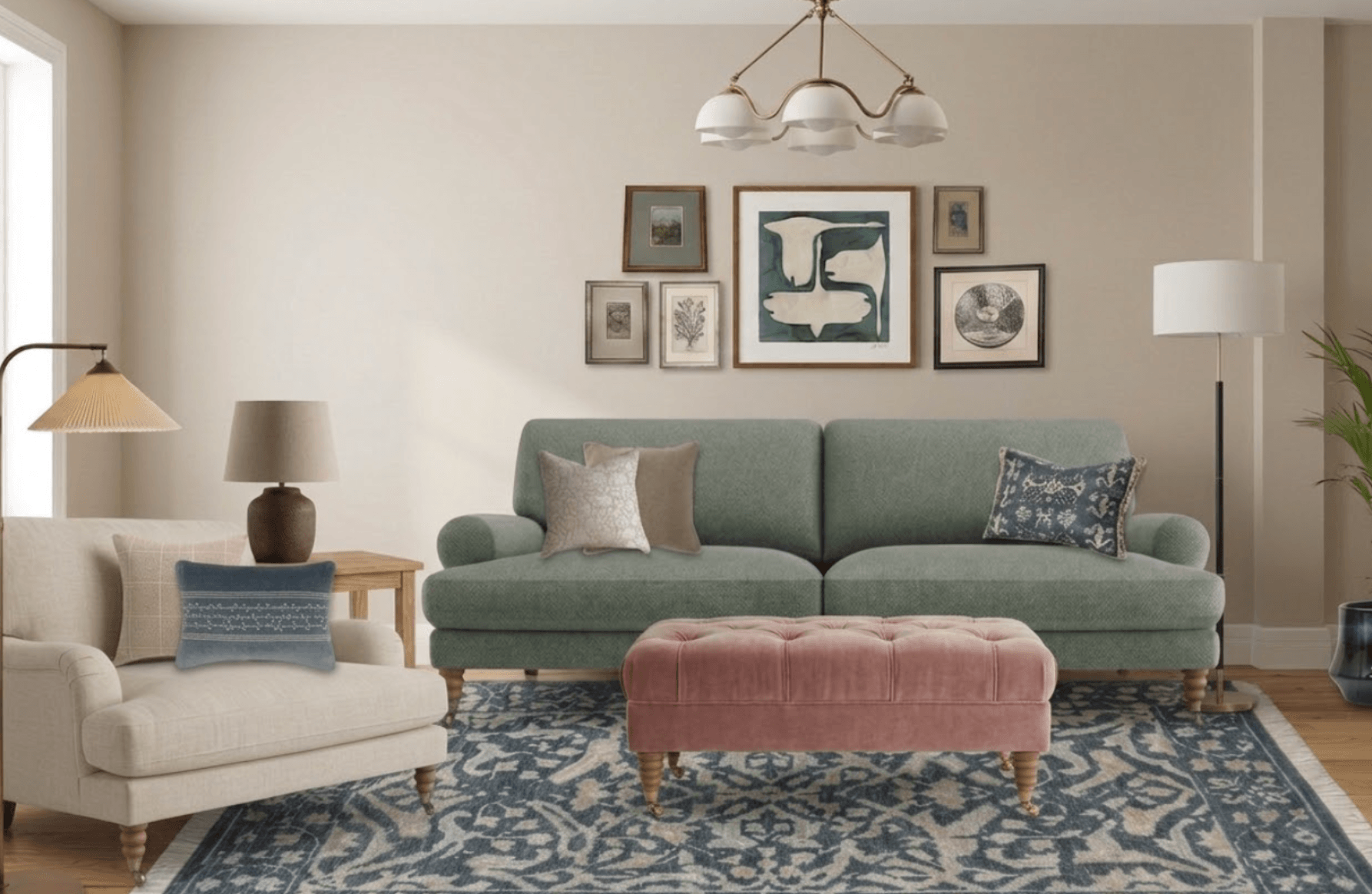
Whether someone's investing in a bespoke kitchen, renovating a period property or designing what they hope will be their forever home, there's almost always a quiet anxiety underneath the excitement. What if I spend all this money - all this time - and hate it in five years? What if I look back at the photographs and cringe?
It's a very human fear. And when you're making decisions that involve real money and real commitment, it deserves a real answer.
So let's get into it properly.
What does timeless interior design actually mean?
Timeless design isn't a style. It's an approach.
A timeless home isn't one that's been frozen carefully in a single era, stripped of anything contemporary in case it dates. It's a home built around decisions that continue to feel right because they're rooted in quality, proportion, natural materials and - most importantly - the people who live there.
That's a very different thing from simply avoiding trends.
And it matters, because the two approaches lead you to completely different places. One leads to a home that's neutral to the point of being characterless. The other leads to a home that feels genuinely, durably yours.
Can you really create a home that won't date? (The honest answer.)
Probably not. And we think it's worth being straight about that.
Every generation has believed it was creating timeless interiors. Today we admire Georgian architecture, Arts & Crafts detailing, mid-century furniture and classic Shaker kitchens precisely because they've stood the test of time. But when they were first designed, they were completely contemporary. They reflected the moment they were made. They were, at the time, the trend.
Design always reflects its era. Lifestyles change. Technology changes. The way we use our homes - how we cook, work, gather, rest - shifts in ways that even the most thoughtful designer can't fully anticipate.
So expecting a home to never date is probably the wrong ambition. The better question is this:
Will I still love living here in twenty years?
Those aren't the same thing. And the distinction matters more than most people realise.
The thing nobody tells you about "timeless" interiors
Here's something we've noticed after years of working with clients on their homes.
The interiors that actually stand the test of time aren't the ones that played it safe. They're not the rooms where someone chose the most inoffensive version of everything to avoid making a mistake. They're the rooms where someone made genuinely personal decisions - and committed to them.
Timid design dates just as quickly as trend-led design. Often faster, because it never had anything to say in the first place.
The homes that still feel right a decade later are the ones that reflected real taste. Real personality. A point of view.
Timeless doesn't mean traditional
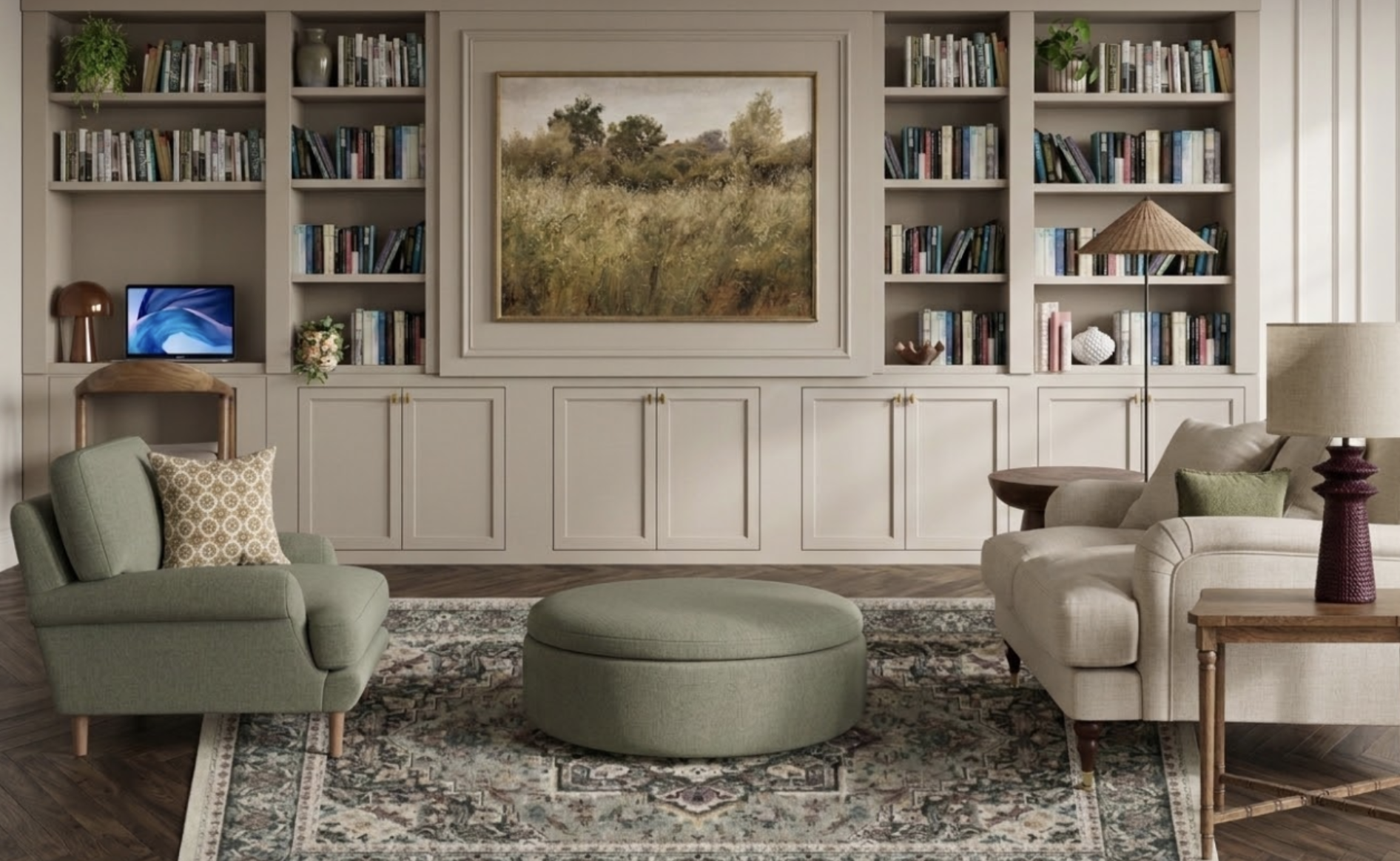
One of the most persistent misconceptions is that if you want your home to last, you need to play it safe. Neutral. Traditional. Inoffensive.
We don't agree with that.
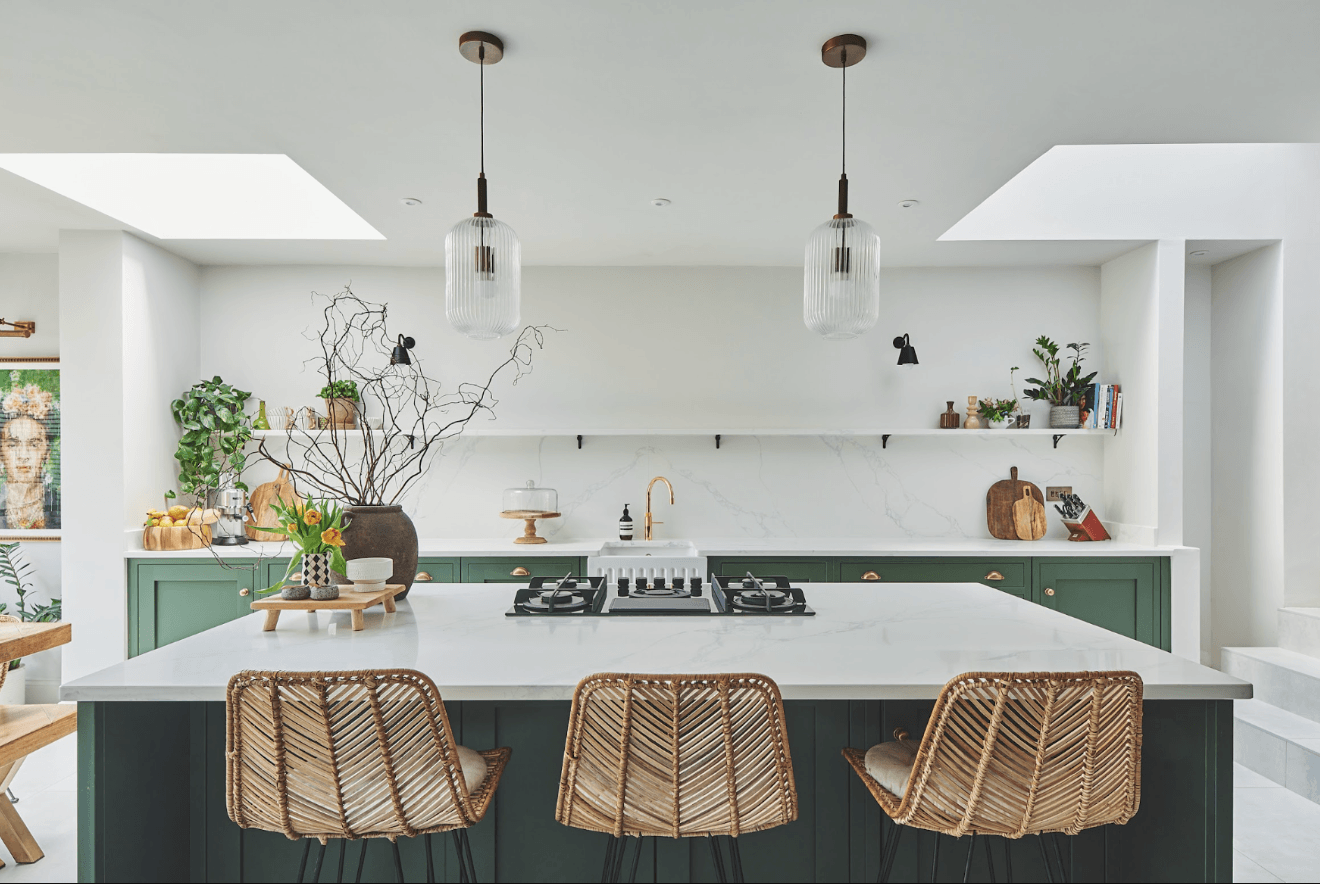
Some of the most enduring interiors we know combine traditional craftsmanship with genuinely contemporary design. A classic Shaker kitchen with bold, modern lighting. Natural limestone alongside steel-framed glazing. An antique chest of drawers beneath a piece of contemporary art.
These spaces work not because everything matches, or belongs to the same period - but because the decisions are balanced and considered. There's a conversation happening between the elements rather than a committee decision to offend nobody.
Good design has never been about choosing between old and new. It's about knowing how they work together.
The mistake most people make (and it's not what you'd expect)
Social media has changed everything about how we discover interiors.
We're exposed to thousands of beautiful rooms every single day. It's genuinely inspiring - and we'd never suggest switching it off. But it creates a very specific problem: it becomes increasingly difficult to separate what you truly love from what you've simply been looking at for the past six months.
When a client tells us they love a particular finish or colour, we often ask: "Have you always loved it, or have you only started noticing it recently?"
It's a question that tends to stop people in their tracks.
Because repeated exposure and genuine personal taste aren't the same thing. And confusing the two is one of the most expensive mistakes you can make in a home. The finish that's everywhere on Pinterest right now may genuinely be your thing - or it may simply be everywhere on Pinterest right now. Knowing the difference is harder than it sounds, especially when you're in the middle of a renovation and making decisions quickly.
One of our clients - a woman juggling a busy home and a significant renovation - put it really well. She told us:
"Whilst I enjoy soaking up design inspiration from books, podcasts, Pinterest etc., it doesn't make design decisions any easier. The Living House team have helped me avoid hours of indecisiveness and procrastination and, no doubt, some costly design mistakes too." - Emma
That's the thing. Inspiration is everywhere. Clarity is harder to come by.
What tends to date quickly - and what doesn't
This is the practical bit. Because if you're making decisions right now, you want specifics.
Things that tend to date faster than people expect
Very specific paint colours with strong trend associations. Colours themselves don't date - but the particular shade that's been on every mood board for eighteen months often does, because it becomes inseparable from a moment. A dusty pink that launched a thousand bathroom refits in 2019 still reads as 2019 to most people.
Overly matchy-matchy schemes. When everything in a room has been colour-matched or bought from the same collection in the same six-month window, it shows. Rooms that look curated over time tend to age better than rooms that look designed at once.
Statement tiles with very literal patterns. Terrazzo, zellige and handmade tiles have genuine staying power because of their texture and variation. But highly illustrative or graphic tiles - especially in a specific colourway - can lock a room into a particular moment.
Ultra-minimal interiors. This might be controversial, but very stark, empty rooms tend to date because they leave no room for evolution. They look perfect in photographs and less so in reality over time.
Certain metal finishes. Brushed brass has been everywhere for several years now. It won't disappear - it's a genuinely beautiful material - but in its most ubiquitous form it's starting to feel of-a-moment. The answer isn't to avoid it. It's to use it in considered quantities rather than applying it to every handle, tap and light fitting in the house.
Things that tend to age beautifully
Natural stone. Limestone, marble, slate, travertine. These materials have been used in homes for centuries and will continue to be. They improve with use in a way that synthetic materials simply don't.
Solid timber. Not veneer. Not laminate. The real thing. It moves, it marks, it tells the story of a home being lived in. That's not a flaw.
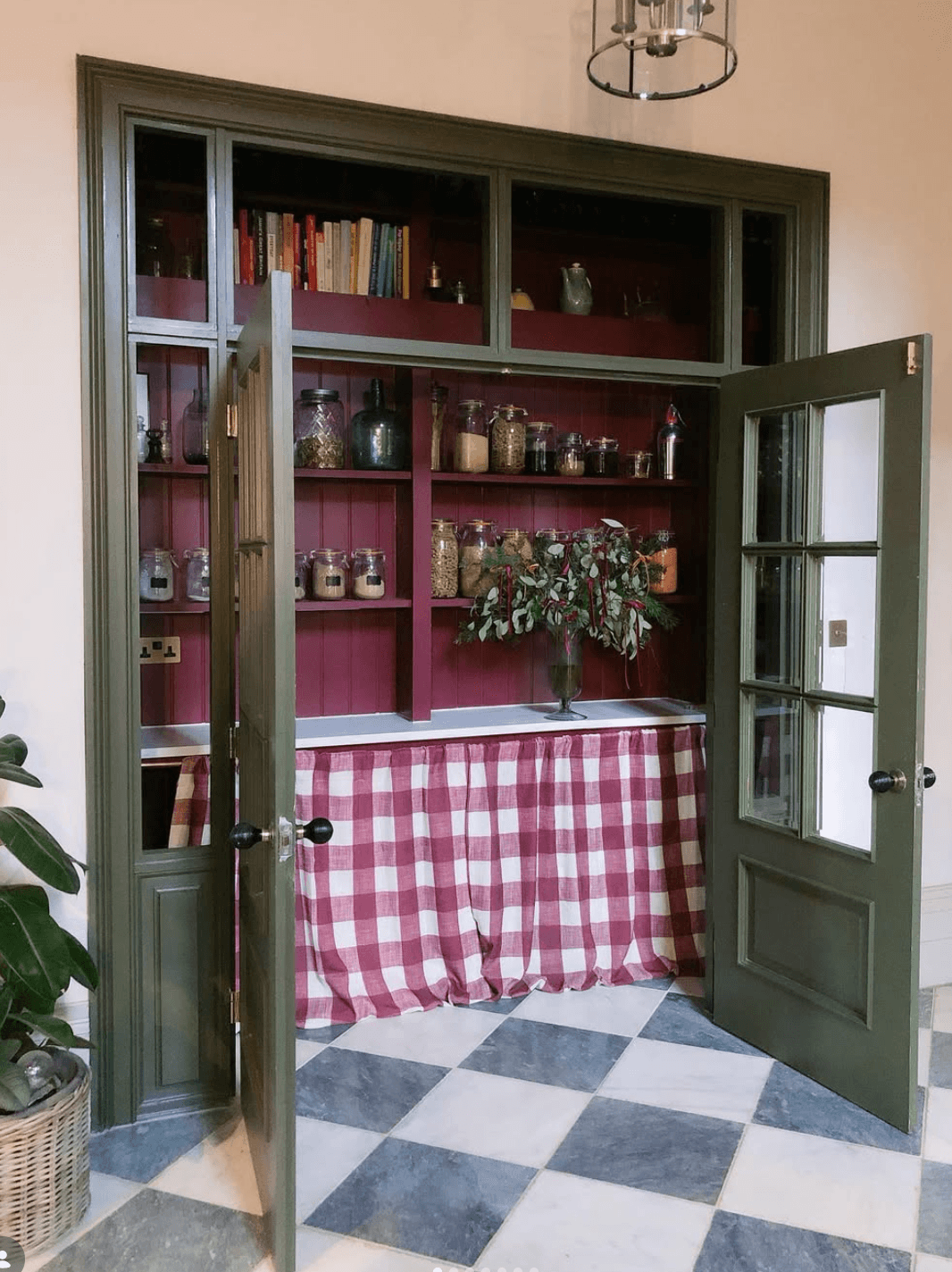
Quality joinery. Bespoke or thoughtfully designed fitted furniture - particularly in classic profiles - tends to outlast almost everything else. A well-made run of cabinetry can see three or four decorating schemes through its lifetime.
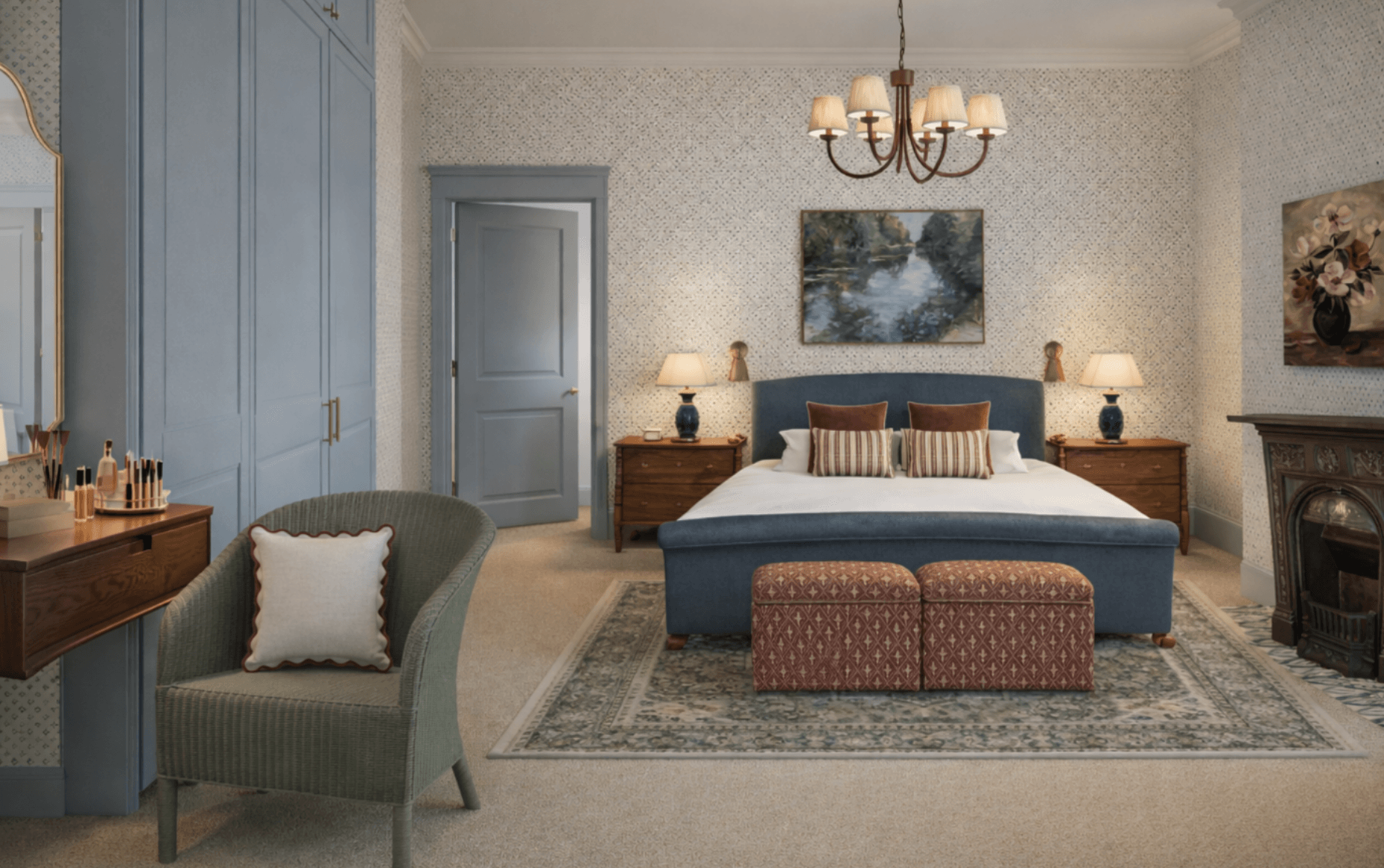
Linen, wool and natural textiles. They wrinkle, they soften, they fade slightly. All of that is the point.
Antique and vintage pieces. Something that's already survived decades has proven it can survive more. A genuinely old piece also provides a counterpoint to everything new around it - and that contrast is almost always interesting.
Thoughtful architectural details. Cornicing, skirtings, panelling, considered window proportions. These things are invisible when they're right and conspicuous when they're wrong. Getting them right is one of the highest-value investments you can make in any interior.
The principles we keep coming back to
There isn't a formula. But there are things we return to again and again with clients.
Invest in architecture before decoration. Good proportions don't go out of fashion. A layout that genuinely works for your life, natural light that's been properly considered, joinery that fits the space - these will outlast any decorative decision you make.
Choose materials that improve with age. The question isn't just "do I love this?" It's "will this still be interesting in ten years?" Materials that develop character over time - that mark, patinate and soften - tend to answer that question better than materials that simply wear out.
Mix periods rather than match everything. A home that feels collected - where not everything was bought in the same six-month window - tends to feel more interesting and more personal over time. That sense of gradual accumulation often creates more longevity than trying to make every piece match perfectly.
Buy what you genuinely love. This is probably our strongest belief. The more deeply drawn you are to something, the less likely you are to tire of it. Decisions rooted in real taste are far more likely to stand the test of time than those based on what's fashionable right now.
Are trends always a bad thing?
Not at all. Plenty of trends become classics. The key is understanding where to use them.
Trends sit well in elements that are relatively easy to update - paint colours, textiles, accessories, lighting. For the bigger, harder-to-change investments - kitchens, bespoke joinery, flooring, architectural details - it's worth being slower and more deliberate. These are the things you'll live with for decades.
There's no need to choose between personality and longevity. You just need to know which decisions can flex and which ones need to be right.
Frequently asked questions about timeless interior design
What colours are considered timeless? Neutral, earthy and nature-inspired tones tend to have the greatest longevity because they sit comfortably across changing styles and work with a wide range of materials. But bold colours can absolutely be timeless - the question is whether they reflect your own genuine taste or someone else's trend. A deep, considered colour chosen because you've always been drawn to it will almost always outlast the colour you chose because you'd been seeing it everywhere.
Is a Shaker kitchen timeless? A well-designed Shaker kitchen has endured for generations because of its simple proportions and honest craftsmanship. But the materials, colours and detailing matter just as much as the door style itself. A Shaker kitchen in a considered, classic palette with quality hardware is very different from one that's been specified entirely to hit a price point. The former tends to last. The latter tends to look tired.
Is limewash paint just a trend? Limewash has actually been used on walls for centuries - so in one sense, it's about as far from a trend as you can get. Whether its current popularity dates it depends on how it's used. Applied thoughtfully, in the right space, it has real staying power. Applied because it's everywhere on social media right now, it may feel of-a-moment in a few years.
Is modern or traditional better for a timeless home? Neither. The most enduring homes tend to blend both - traditional materials and craftsmanship alongside contemporary ways of living.
How do I stop my home from looking dated? Focus on quality over trend-chasing. Choose materials that age beautifully. Make decisions based on what you genuinely love rather than what's currently everywhere. And allow your home to evolve over time rather than trying to solve everything at once.
Will Farrow & Ball ever go out of fashion? The brand has become so synonymous with a certain type of considered home that it's unlikely to disappear. But specific colours within any palette will have their moment and then recede. The goal isn't to choose a brand - it's to choose a colour that genuinely works for your space and your light, regardless of who makes it.
How we can help
This is exactly the kind of thinking we work through with clients in a Power Hour.
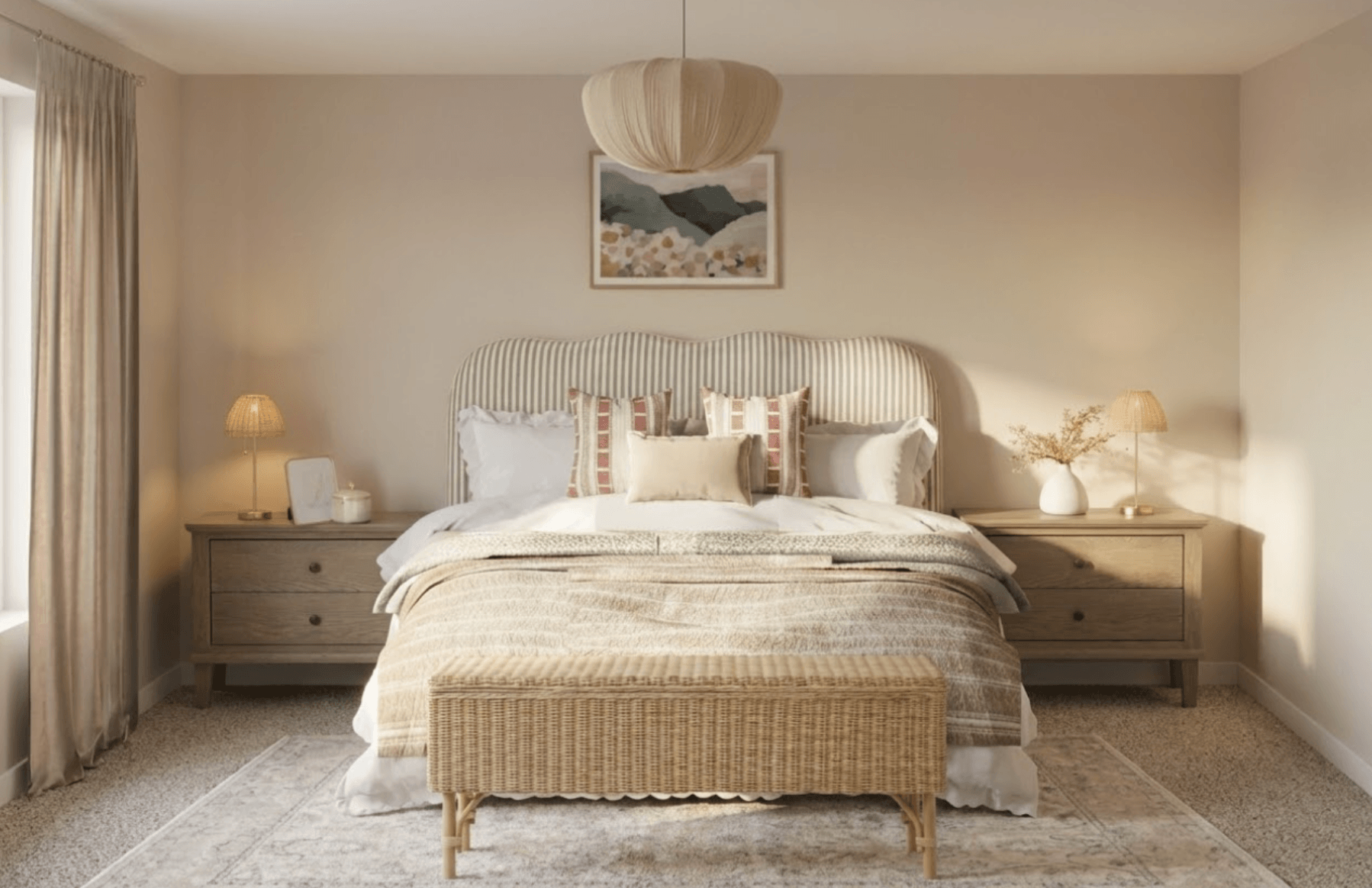
If you're renovating, redesigning or just trying to make a significant decision feel less daunting, a Power Hour creates the space to think properly - to separate fleeting inspiration from the things you'll genuinely still love in twenty years. As Emma said, the inspiration is rarely the problem. The clarity is.
Our clients often tell us that what they value most isn't just the dossier notes, the visuals or the shopping list - though those things help enormously. It's the confidence to actually make a decision. And to feel good about it.
If you'd like to talk through where you are with your home, a Discovery Call is free and there's no obligation. We're always happy to have an honest conversation about what would actually help.
The homes that feel truly timeless aren't the ones that ignored trends altogether. They're the ones that never lost sight of the people they were designed for.
RELATED BLOGS:

Planning an extension or taking walls down? Before you commit to open plan living, think about where the sofas will go, what happens to the rooms you already have, and whether anyone will be able to find a quiet corner. Sometimes, a family home works better with a wall in the way.