
Why Your Home Doesn't Feel Right (Even After Spending a Fortune on It)
By Catherine, Co-Founder of The Living House - online interior designers based in the UK, with 35 years of combined design experience
There's a particular kind of disappointment that nobody warns you about.
It arrives quietly. Usually sometime after the builders have left, the furniture has been delivered and the final invoice has been paid. Friends come over and tell you it looks gorgeous. Your kitchen is exactly what you imagined. The sofa is beautifully made. The flooring is the one you spent four months deliberating over.
On paper, nothing is wrong.
And yet.
You walk through the front door on an ordinary Tuesday and find yourself thinking: I thought it would feel different.
It's a difficult feeling to name, partly because it doesn't point to anything specific. If someone asked you what you'd change, you might genuinely struggle to answer. The room isn't ugly. The choices aren't bad. It just... doesn't feel entirely right.
If you've ever stood in a freshly finished room and felt quietly deflated rather than quietly delighted, you're not alone. It's also, in our experience, one of the most common and least talked-about frustrations in interior design.
The Real Reason Expensive Homes Can Still Feel Empty
Most people assume that if every individual decision is a good one, the finished home will naturally come together.
It's a reasonable assumption. It's also, unfortunately, not how homes work.
When you're renovating or redecorating, each decision feels enormous in isolation. The kitchen. The tiles. The paint colours. The lighting. The dining table. The curtain fabric. Every choice is researched, deliberated, compared and eventually made with real care.
But here's what's easy to miss: we don't experience our homes one decision at a time.
We experience them as a whole.
And a home that's been assembled from excellent individual choices — but without a unifying vision running through all of them — often ends up feeling exactly like that. Assembled. Rather than designed.
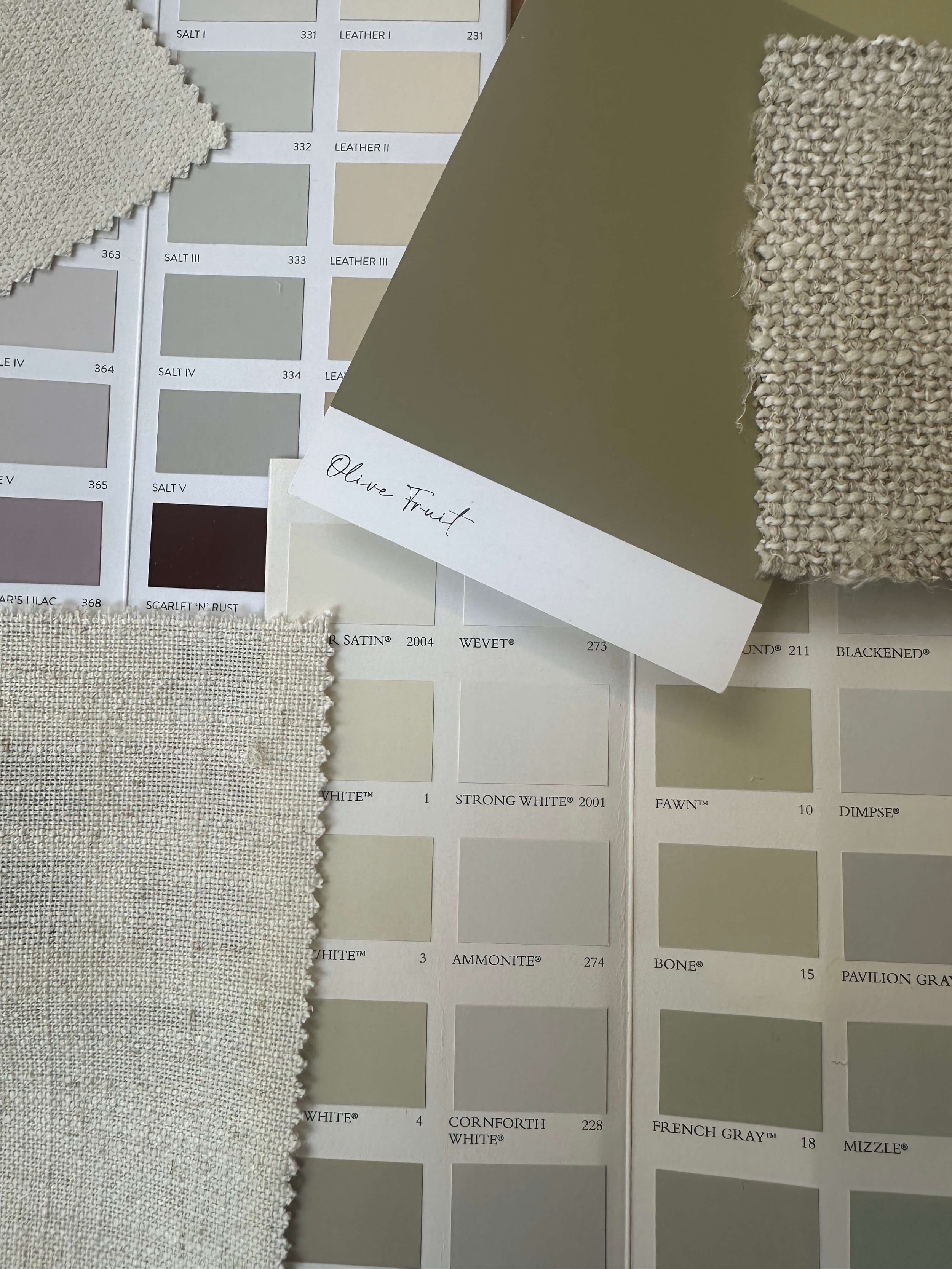
What "A Room That Feels Right" Actually Means
Walk into a beautifully designed space and something happens before you've consciously registered a single detail. You feel it. A sense of calm. Of things belonging together. Of a room that seems to know what it's for.
Walk into a room with an equally generous budget but no clear thread connecting it, and you feel something quite different. Not ugly. Not wrong, exactly. Just... unsettled.
The difference isn't usually price. It's relationships.
How the scale of the furniture reads against the height of the ceiling. How natural light moves through the space across the course of a day. How your eye travels from one end of the room to the other. How colours, textures and materials either support each other or quietly compete.
These are things most people don't consciously notice. But everyone instinctively feels them.
A room where the sofa is marginally too small for the space will feel slightly off, even to someone who couldn't tell you why. A room with lighting that's too high in colour temperature for its north-facing aspect will feel cold and uninviting, even in August. A room with five different undertones across its paint, joinery and soft furnishings will feel visually restless, even when every individual choice is objectively beautiful.
None of these are dramatic errors. They're the quiet, compounding reasons a home never quite settles.
Need to talk through your home with an expert?
Book your free discovery call here
The Most Common Interior Design Mistakes Aren't What You Think
People worry most about the obvious decisions - the worktop, the sofa colour, the floor finish. In reality, those are rarely what go wrong.
The problems that are hardest to fix tend to be the ones made before a single product is chosen. Scale. Layout. Light. The flow between spaces. Whether the way you've arranged a room actually suits the way you live in it.
Here's a scenario we encounter regularly.
An architect has designed a beautiful extension. A kitchen company has designed an excellent kitchen within it. A lighting designer has recommended fittings they genuinely believe in. Furniture has been carefully selected from different places over different months.
Each decision is perfectly reasonable. Each professional has done their job well.
But if nobody is asking how all of those decisions connect - if there's no single person holding the vision across all of it - something important tends to get lost in the gaps between them.
The result is a home where everything is high quality and nothing quite coheres.
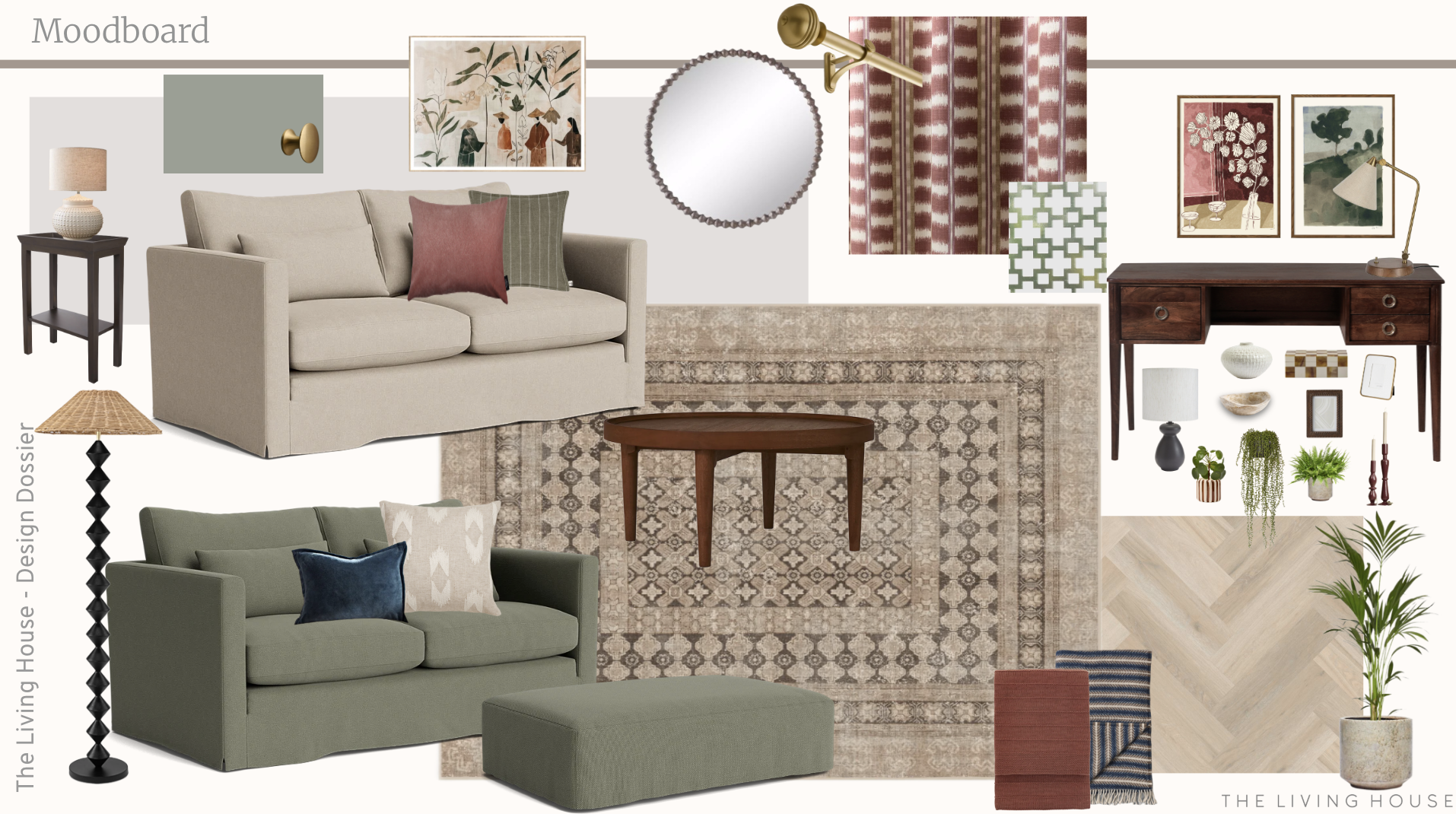
Example of a coherant moodboard at The Living House
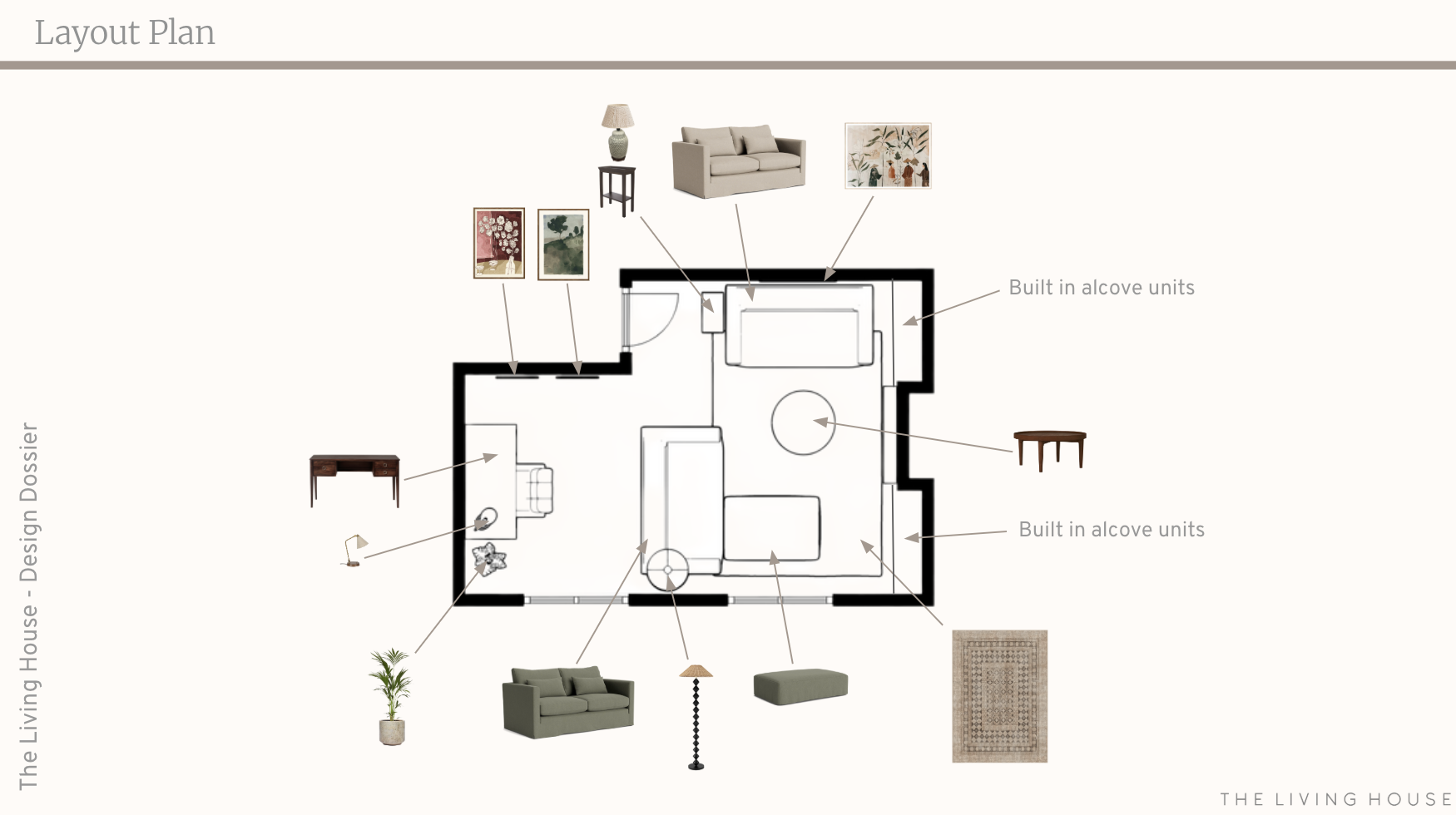
Example of practical layout plan at The Living House
Why Having Too Much Inspiration Can Actually Work Against You
We're fortunate to have more access to beautiful interiors than any generation before us. Pinterest, Instagram, design magazines, television programmes — there's no shortage of spaces to admire.
But there's a side effect that doesn't get talked about enough.
Constant exposure to curated imagery makes it genuinely difficult to distinguish between what you actually love and what you've simply become very used to seeing. A particular aesthetic appears enough times in your feed and it starts to feel like a preference. You save it. You screenshot it. You show it to a designer or a builder.
And sometimes it is a genuine preference.
But sometimes it's borrowed taste. And borrowed taste, built into an expensive renovation, is one of the more common reasons people end up in a home that feels vaguely like someone else's.
One of the questions we often ask early in a project is deceptively simple: Have you always loved this, or have you only started noticing it recently?
The answer is usually quite revealing.
Because a home that continues to feel right five years from now isn't built on what's currently appearing everywhere. It's built on a clear understanding of who actually lives there - and how.
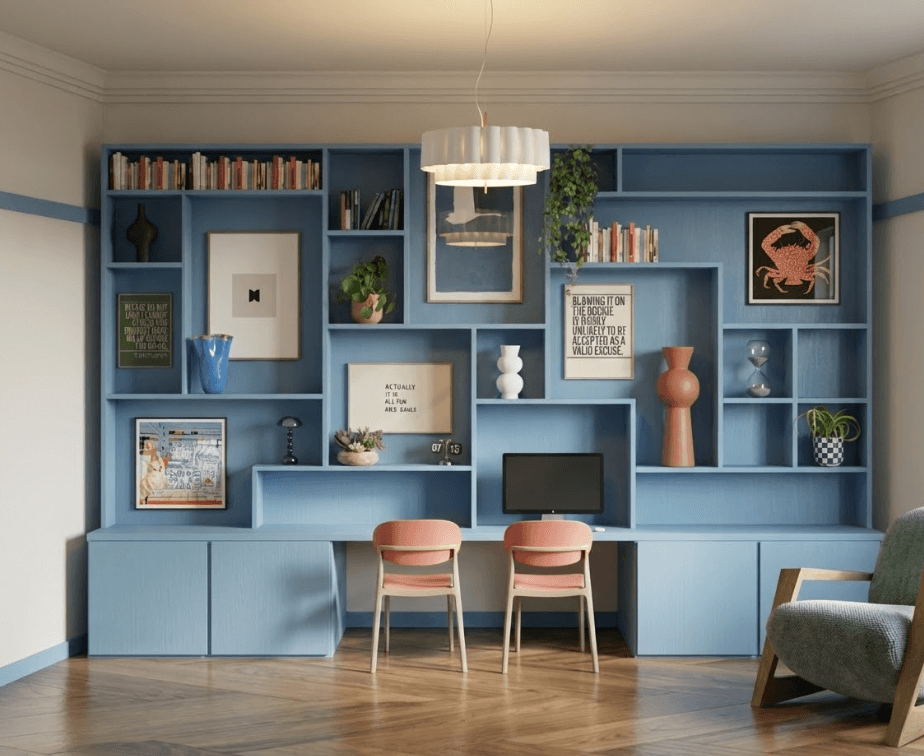
The Questions That Shape the Homes People Love Most
Here's something that surprises most people when they first work with an interior designer: the real work doesn't start with products.
It starts with questions.
Where does the morning light fall? How do you actually use the space on a Sunday - is it all in the same room or spread across the house? Where do your family's conversations naturally happen? What frustrates you about the space you have now, even if you've stopped consciously noticing it? How do you want to feel when you walk through the front door at the end of a difficult day?
None of these questions appear on a mood board. But they're often the ones that determine whether the finished home is simply beautiful or whether it's genuinely, lastingly yours.
Good interior design is less about choosing things and far more about asking better questions first - and having someone who knows which questions to ask.
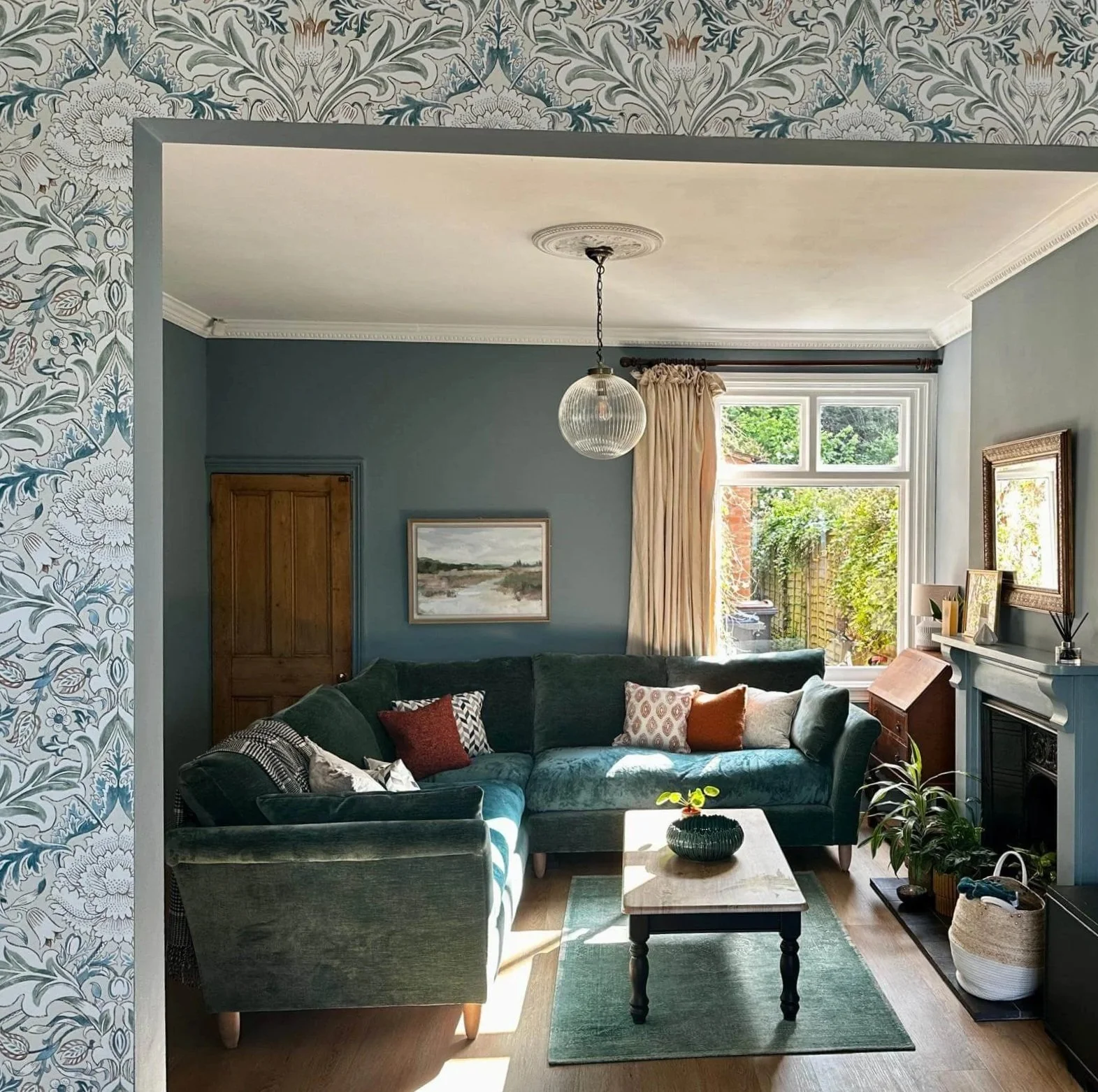
Why Some Modest Homes Feel Infinitely More Inviting Than Expensive Ones
Budget matters, of course. But it explains far less than most people assume.
A thoughtfully designed home doesn't rely on the most expensive materials or the most luxurious finishes. It relies on every decision - from the architecture to the placement of a lamp - working in service of the same vision.
That's why some modest homes feel instantly, warmly inviting. And why others, with budgets three times the size, never quite feel complete.
The difference isn't taste. It isn't even skill, necessarily.
It's intention. The presence - or absence - of a clear idea of what the home is trying to be, held consistently across every single decision.
A Home That Feels Right Is Never Accidental
When someone walks into a space and says, simply, "it just feels lovely in here" -they're responding to dozens of quiet decisions that all point in the same direction.
The proportions. The palette. The light. The way the furniture is arranged in relation to the architecture. The texture that breaks up a flat surface. The lamp that warms a corner that would otherwise feel forgotten.
None of those decisions is individually remarkable. Together, they create something that's almost impossible to describe but instantly recognisable.
A home that doesn't just photograph well.
A home that feels, without any effort at all, entirely yours.
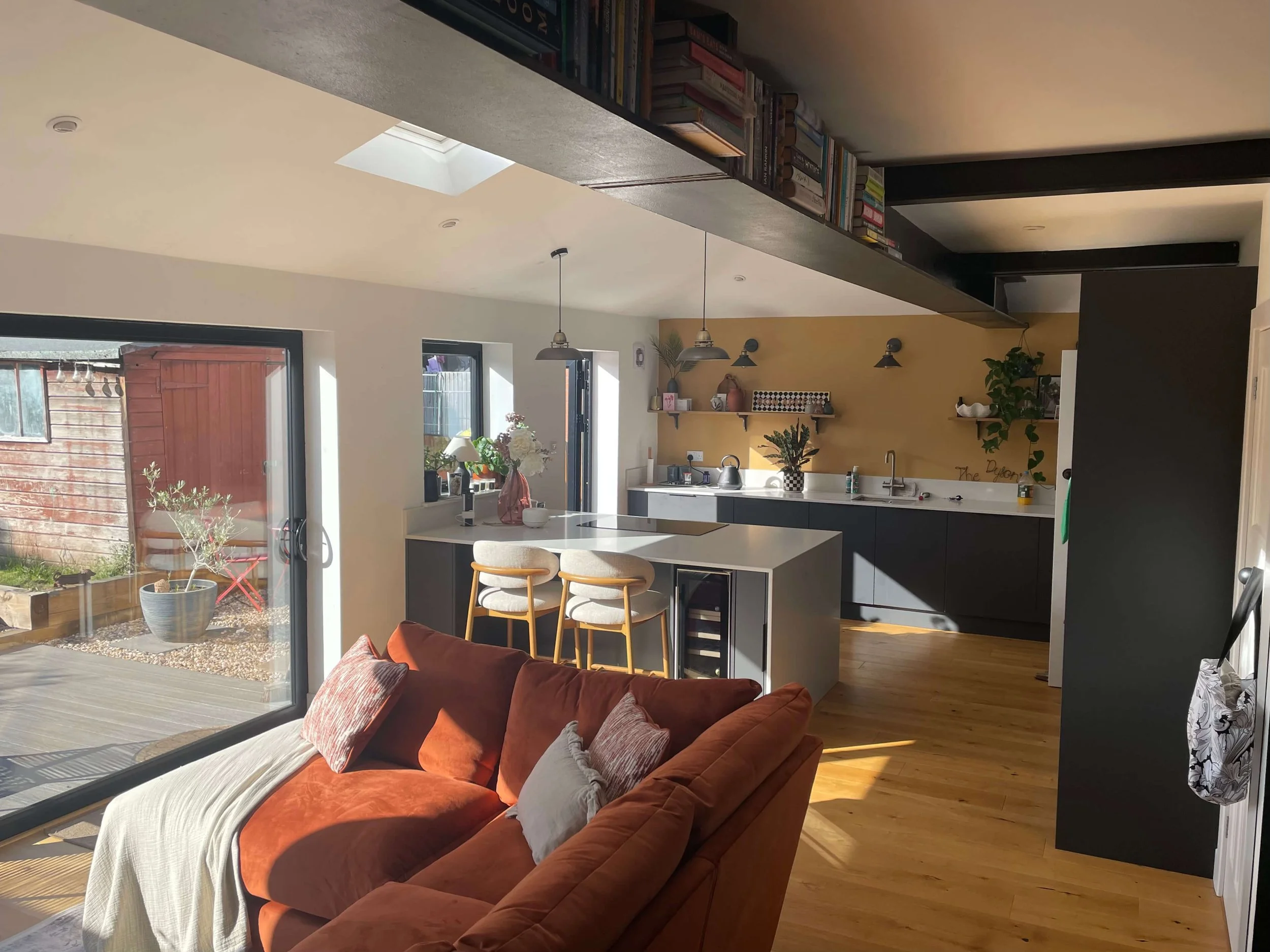
How We Can Help
This is exactly the kind of thinking we explore during our Power Hours and full Complete Design projects.
Choosing beautiful pieces is genuinely enjoyable. But creating a home that feels right - that continues to feel right - requires something slightly different. A clear vision. A thread that runs through every decision, from the layout to the last finishing detail.
That thread is what we help you find.
Because when you're investing seriously in your home, you deserve more than a collection of beautiful things that were all good ideas at the time.
You deserve a home that feels every bit as good as it looks.
The Living House is an online interior design studio helping families transform their homes into spaces that are beautiful, functional, and unmistakably theirs. Browse our services atthelivinghouse.co.uk.
RELATED BLOGS:
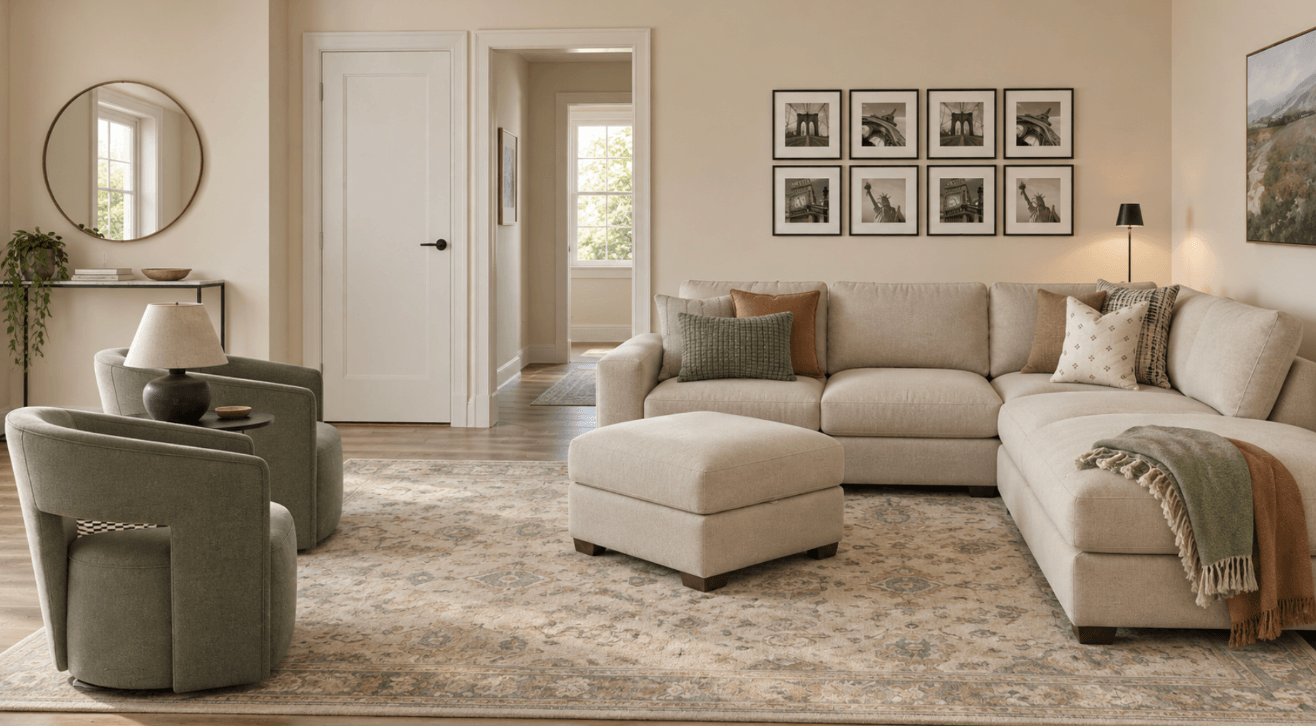
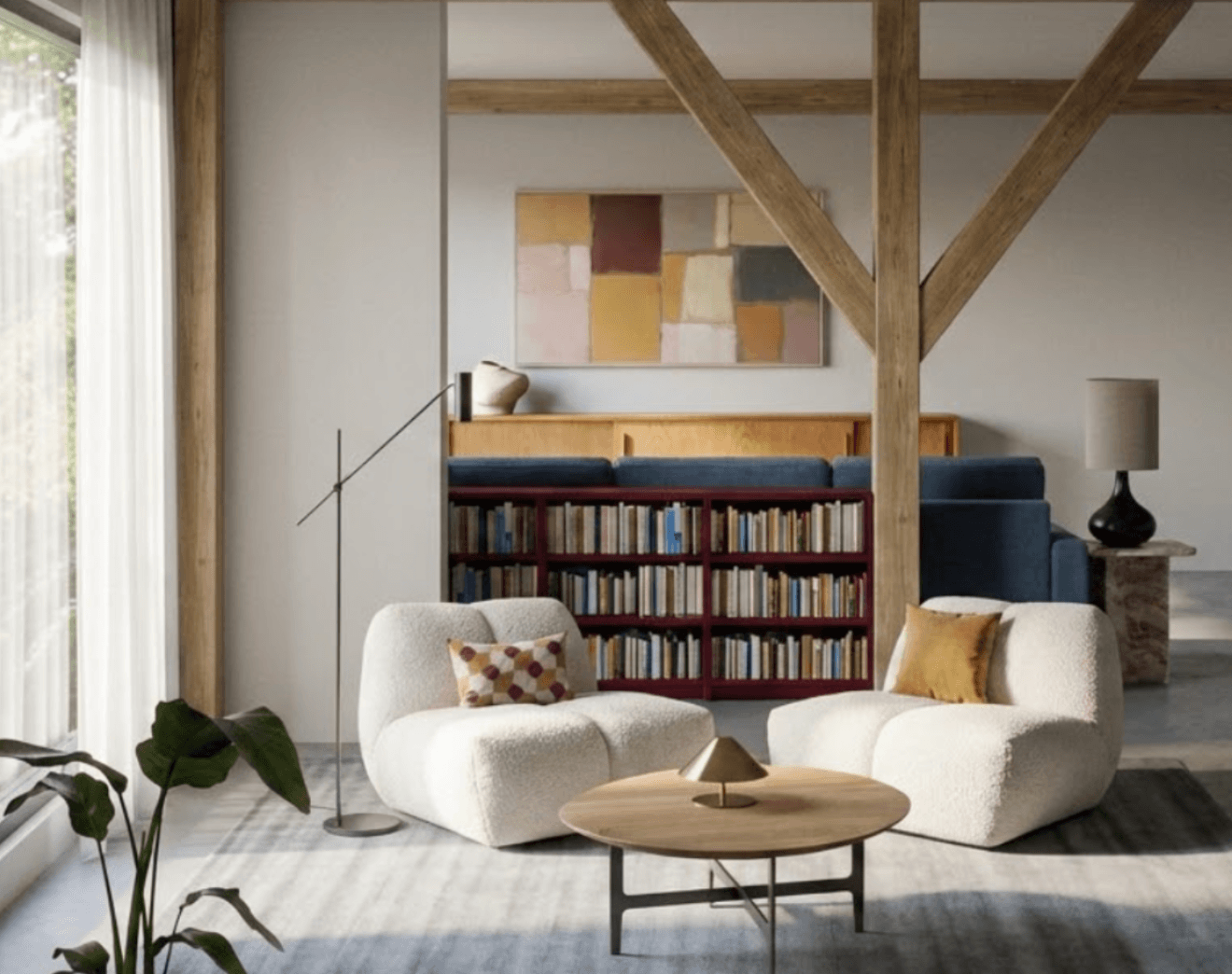

After years out of favour, burgundy is back in a fresher, more playful form. Here is how to use this warm wine-red in a way that feels inviting, modern and entirely your own.