
The Lived in
Blog.
ROOMS - HOW TO’S - PAINT - MISTAKES TO AVOID - CASE STUDY - TRENDS
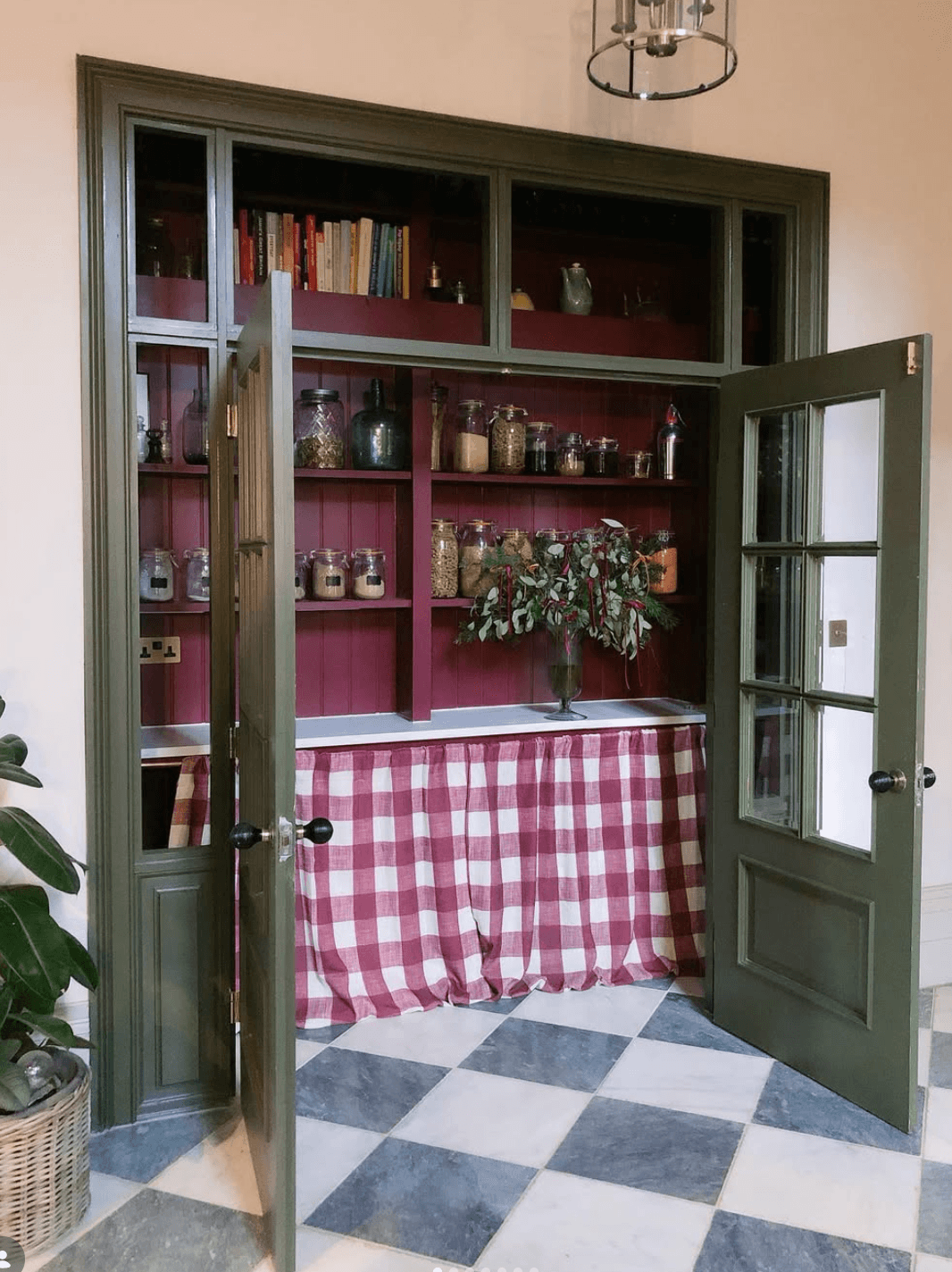
Once a practical necessity, the pantry is now a dream kitchen favourite. Catherine explores its appeal, the choices worth considering and how Sophie found room for one by rethinking her living room.
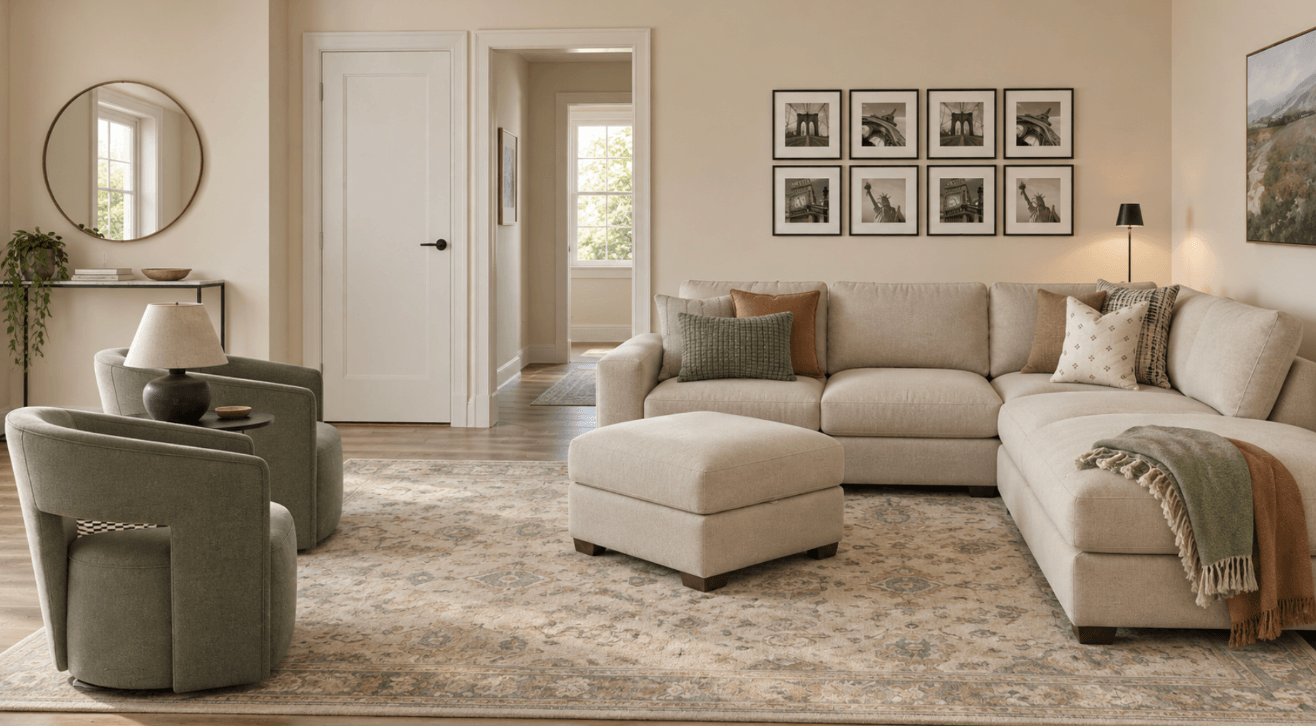
Can an interior designer understand your room without visiting? See how The Living House builds a clear picture of your space and designs it entirely online.
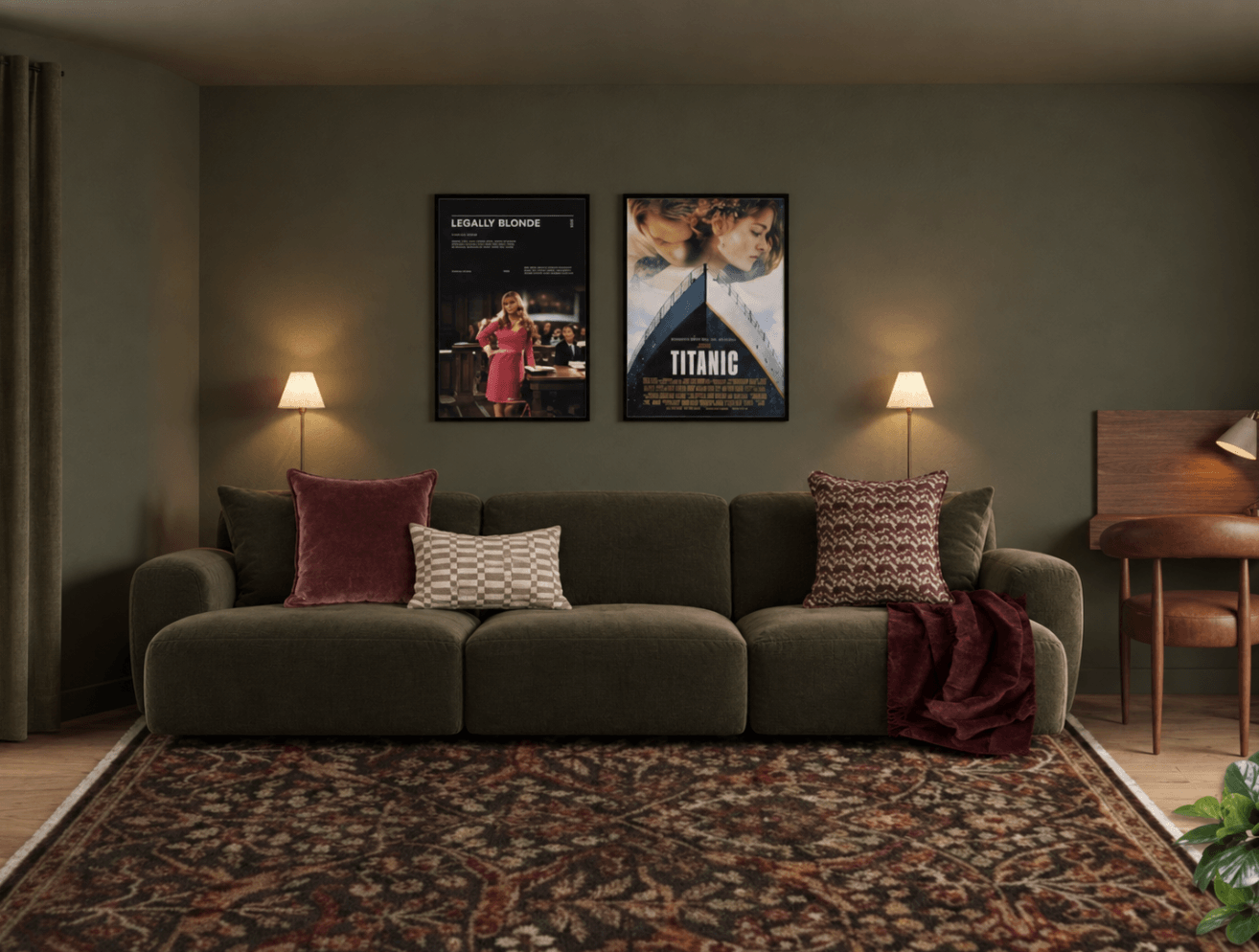
After years out of favour, burgundy is back in a fresher, more playful form. Here is how to use this warm wine-red in a way that feels inviting, modern and entirely your own.
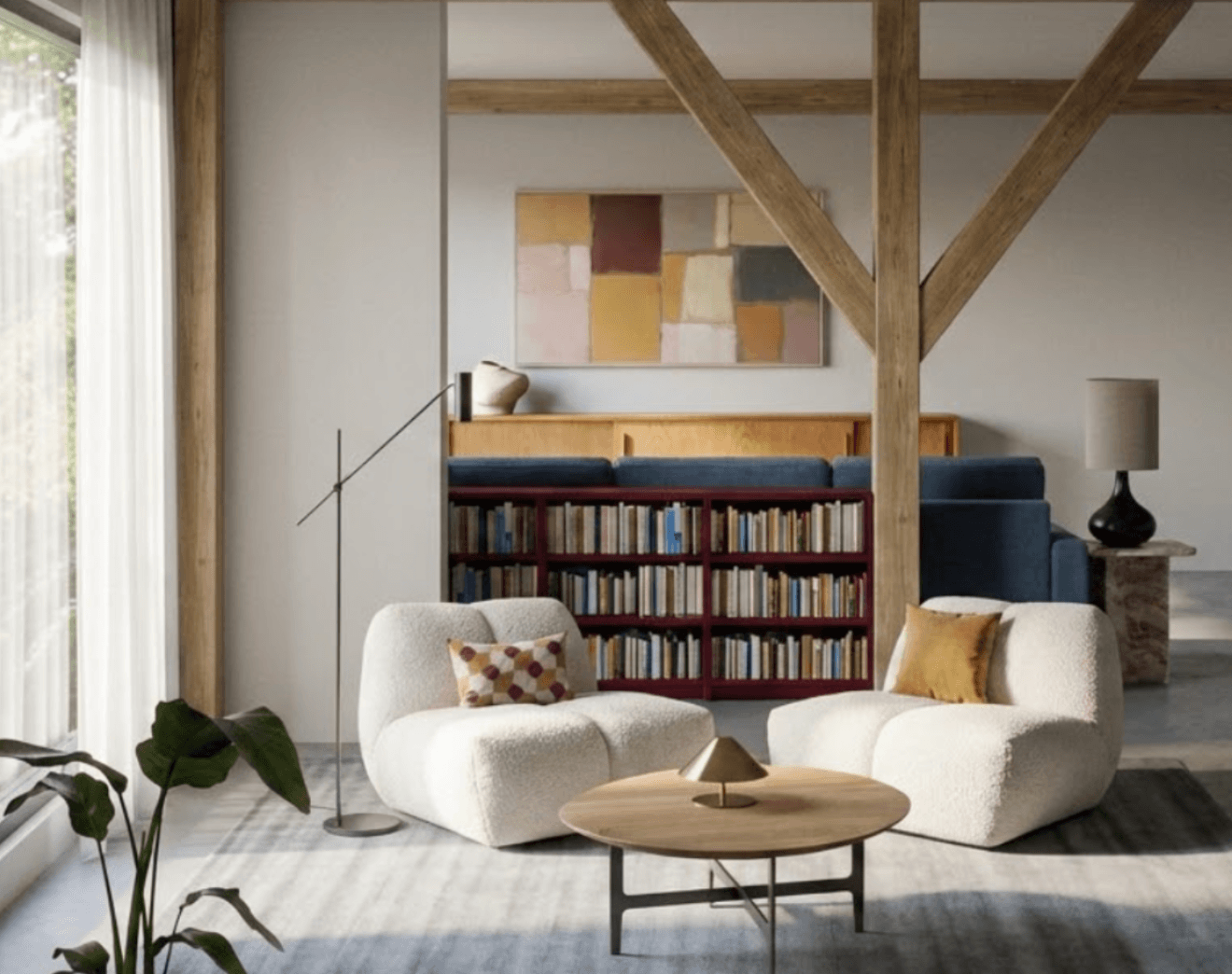
A realistic guide to the cost of furnishing a living room, including the easily forgotten details that make the difference between a room containing furniture and one that feels beautifully finished.

It's probably an odd thing for an interior designer to say, but I don't think everyone needs an interior designer.
If you love spending your evenings researching furniture, have a clear idea of what you want, enjoy working through floor plans and can confidently make decisions about colour, scale, lighting and everything else that goes into a room, you may be absolutely fine doing it yourself.
And if you're painting a bedroom, replacing a chair or making a few small changes to a room you already love, paying a designer may not make much sense at all.
But there comes a point with bigger home projects when the question starts to change.
You're no longer wondering whether you could do it yourself. You're wondering whether you actually want to spend the next six months doing it yourself, and whether you're confident enough to make some fairly expensive decisions without knowing for certain how everything is going to come together.
That's usually when we hear from people.
They have good taste. They've saved plenty of inspiration. They know the sort of homes they love. What they don't necessarily have is the time, experience or headspace to turn all those ideas into one finished room.
So, is hiring an interior designer worth it?
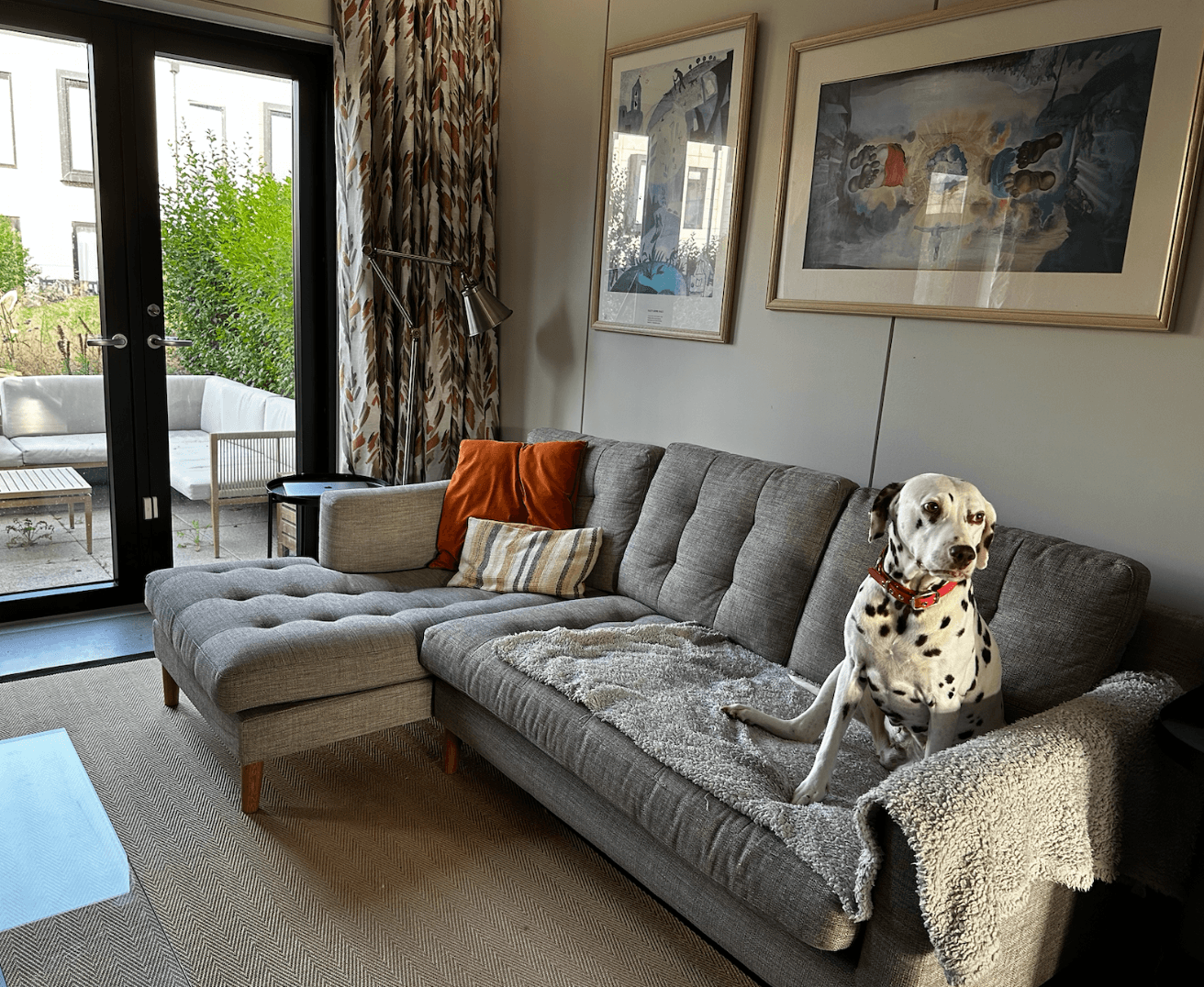
There are some purchases for your home that you can make fairly casually. A cushion that doesn't quite work can move to another room, a lamp can be returned and even a paint colour, annoying though it might be, can be painted over.
A sofa is rather different. It's usually one of the most expensive things you'll buy for your living room, it's physically enormous, and once it's sitting in your house it has an irritating habit of dictating almost everything else that happens around it.
Which is probably why so many of our clients arrive at The Living House with a sofa tab that's been open on their laptop for approximately six months. They've found one they love, then another, and another. They've ordered fabric samples, measured the wall, asked their partner's opinion, gone back to the first one and eventually become so confused that doing nothing starts to feel like the sensible option.
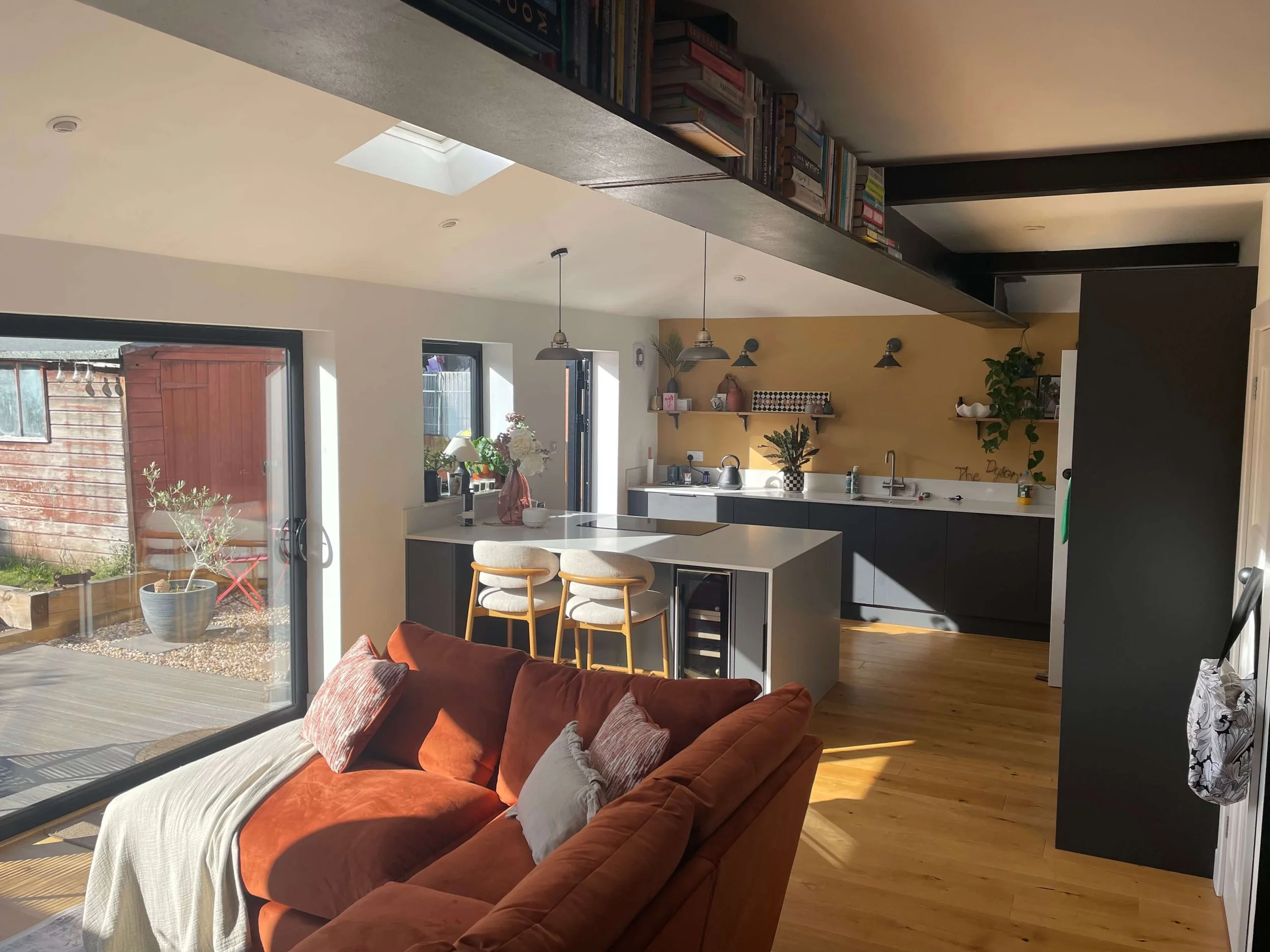
If you've ever stood in a freshly finished room and felt quietly deflated rather than quietly delighted, you're not alone. It's also, in our experience, one of the most common and least talked-about frustrations in interior design.
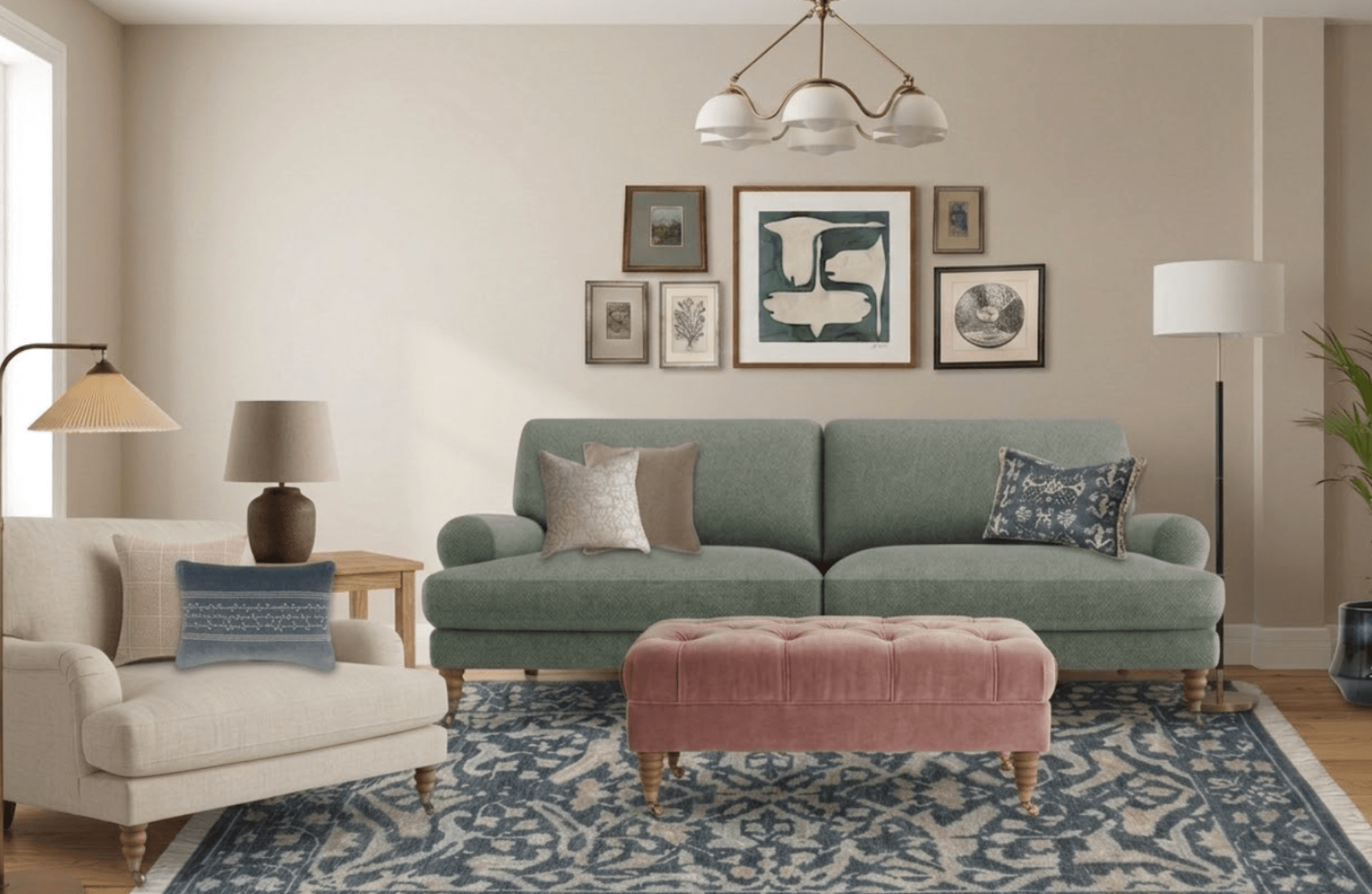
"How do I make sure it won't date?"
It might be the question we're asked more than any other.
Whether someone's investing in a bespoke kitchen, renovating a period property or designing what they hope will be their forever home, there's almost always a quiet anxiety underneath the excitement. What if I spend all this money - all this time - and hate it in five years? What if I look back at the photographs and cringe?
It's a very human fear. And when you're making decisions that involve real money and real commitment, it deserves a real answer.
So let's get into it properly.
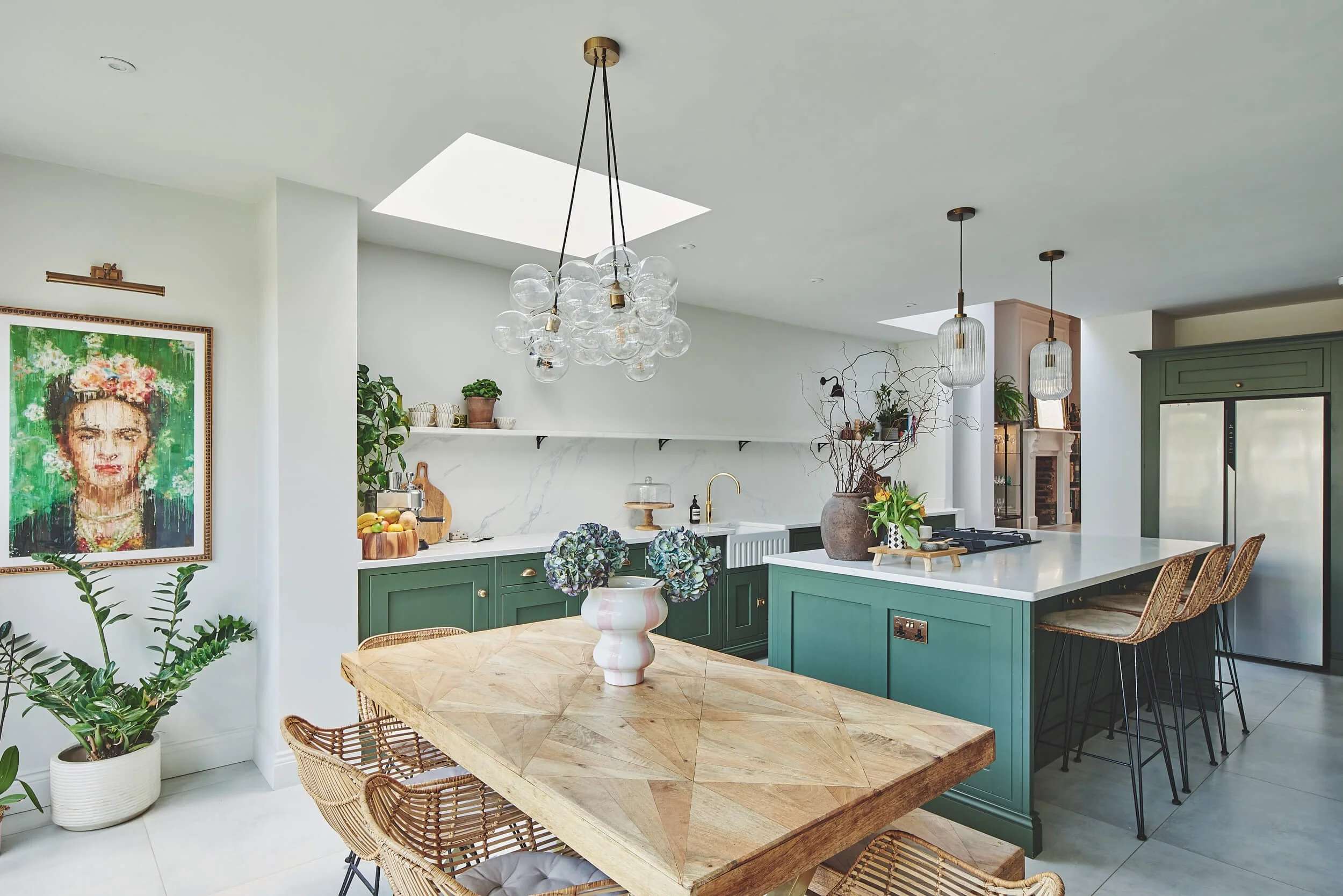
If you're highly capable in almost every other area of life but feel completely stuck when it comes to decisions around your own home, I promise you're not alone. It's rarely about taste. It's about carrying too many decisions at once, and I see it every single day, including in my own home.
I know, because I feel it too, and that might surprise you. Interior design isn't just my job, it's my passion. Yet when it comes to my own home, I struggle with exactly the same things you do.
Right now, I desperately need new bi-fold doors in my kitchen. Thirteen years ago, when we had an extension done, money was tight, so the doors to the garden had to be the cheapest I could find, or we lived with a gaping hole. They were cheap. A composite, laminated "wood" that did the job until water got into them and they slowly reverted to soggy sawdust. Not a great look, and definitely not secure.
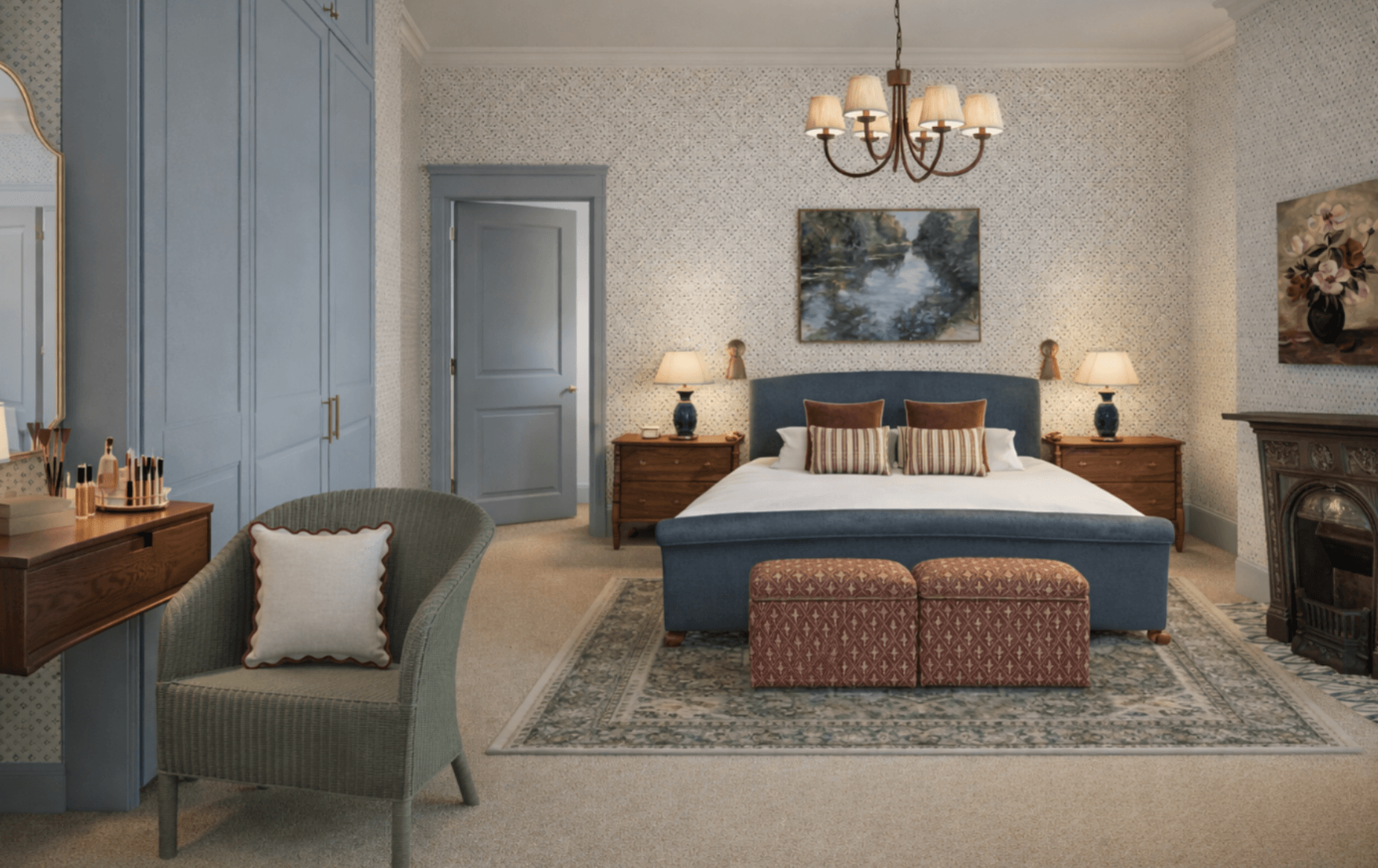
That unloved room has been on your list long enough. Catherine, co-founder of The Living House, on why The Complete Design is the expert online interior design service that finally gets it done - with two dedicated designers, a full room plan, and a curated shopping list from £2,400. author: Catherine, Co-Founder, The Living House category: Interior Design Advice tags: online interior design UK, interior design service, room transformation, living room design, The Complete Design, The Living House
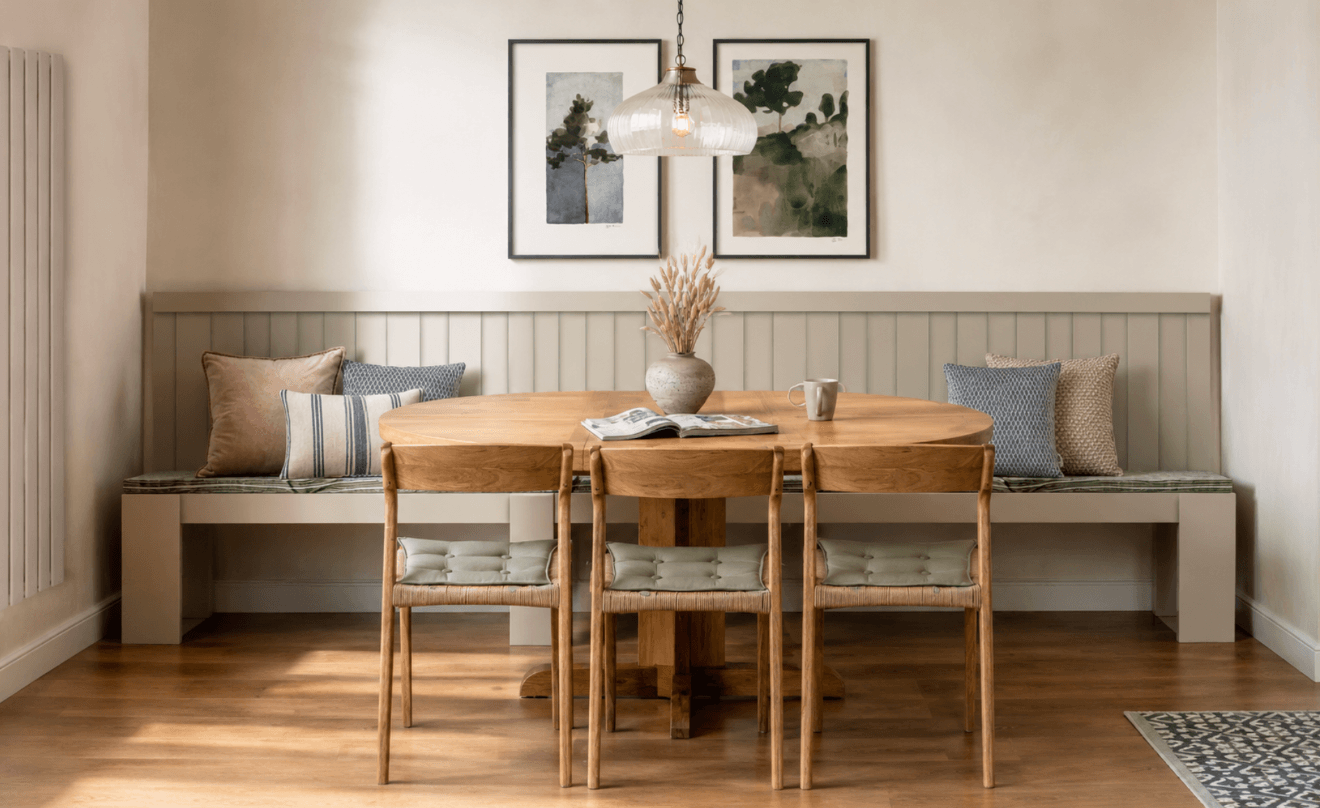
You've finally decided something has to change. The living room has felt 'almost right' for three years. The extension is going ahead and you're staring at an architect's plan with absolutely no idea what happens next. Or maybe you've just moved in and the whole house feels like a blank, slightly overwhelming canvas.
You know you want help. But what kind?
This is one of the questions we get asked most at The Living House - and it's a good one. Because choosing the wrong type of support at the wrong moment can leave you spending money you didn't need to, or - worse - not getting nearly enough help when you really needed it.
The plans have arrived. After all the conversations, site visits and decisions, there they are on the page: the new kitchen, the bigger opening onto the garden, the utility room you have been negotiating for years. It is an exciting moment.
It is also the moment when most people take a deep breath, say yes, that all looks right, and move on to finding a builder.
We would ask you to pause here - not to second-guess your architect, but to look at the plans one more time through a different lens.
Architectural plans resolve structure, planning and the shape of space. What they do not always show is where the family will drop their bags, whether everyone can move around the dining table without climbing over chairs, or where the lamp beside the sofa will go. A room can work perfectly as a piece of architecture and still become quietly frustrating once real furniture, storage and family life are added.
The good news is that a line on a drawing is the easiest and cheapest thing to change. Here are nine questions worth asking before that line becomes a wall.