
How to Choose the Right Sofa: An Interior Designer's Guide to Getting It Right First Time
By Catherine, Co-Founder of The Living House, online interior designers specialising in family homes, with 35 years of combined interior design experience
There are some purchases for your home that you can make fairly casually. A cushion that doesn't quite work can move to another room, a lamp can be returned and even a paint colour, annoying though it might be, can be painted over.
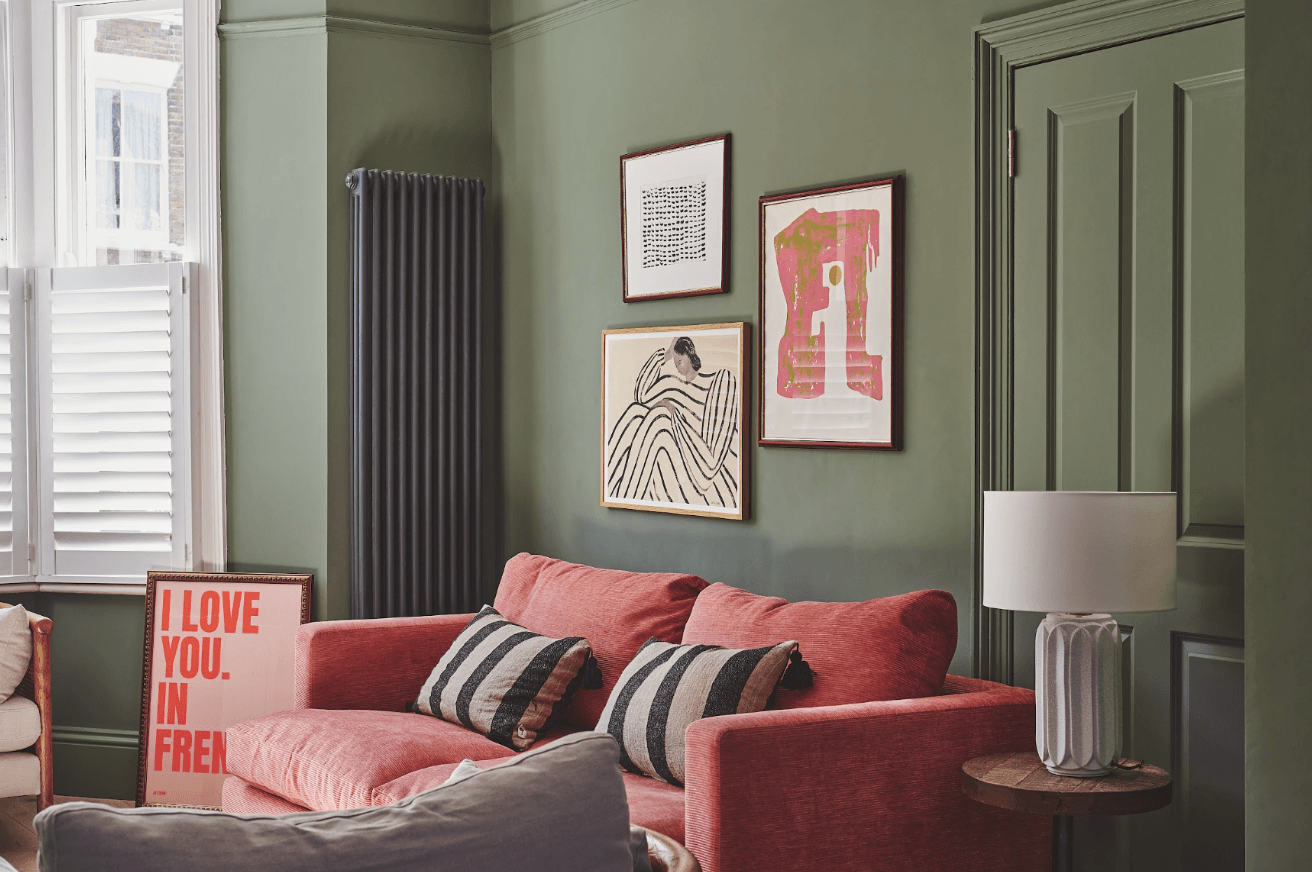
A sofa is rather different. It's usually one of the most expensive things you'll buy for your living room, it's physically enormous, and once it's sitting in your house it has an irritating habit of dictating almost everything else that happens around it.
Which is probably why so many of our clients arrive at The Living House with a sofa tab that's been open on their laptop for approximately six months. They've found one they love, then another, and another. They've ordered fabric samples, measured the wall, asked their partner's opinion, gone back to the first one and eventually become so confused that doing nothing starts to feel like the sensible option.
Choosing the right sofa isn't simply about finding one you like. It needs to suit the proportions of your room, work with the rest of the furniture, feel comfortable for the way your family actually sits, survive everyday life and still be something you're happy to look at in ten years' time.
I know this from experience. Years ago, my mum fell in love with a salmon-pink velvet sofa with a mahogany frame and rattan back. She'd revisited it many times in our local department store and was absolutely convinced it was ‘the one’. It was expensive too, so this wasn't a decision she'd made lightly. It was replacing a super-soft, comfy, low-to-the-ground, pile-on-style sofa and I think she imagined the new one would be elegant and a bit 1980s sophisticated.
When it arrived, we all laughed.
It looked tiny in the room, was incredibly formal and upright and, worst of all, exceptionally uncomfortable. We all hated it. But having spent a small fortune on it, my parents couldn't exactly pop out and buy another one, so we were stuck with it for years.
So, with the benefit of professional expertise and my mum’s expensive mistake, here are the things we'd recommend thinking about before you finally press 'Order'.
Struggling with layout?
We can help
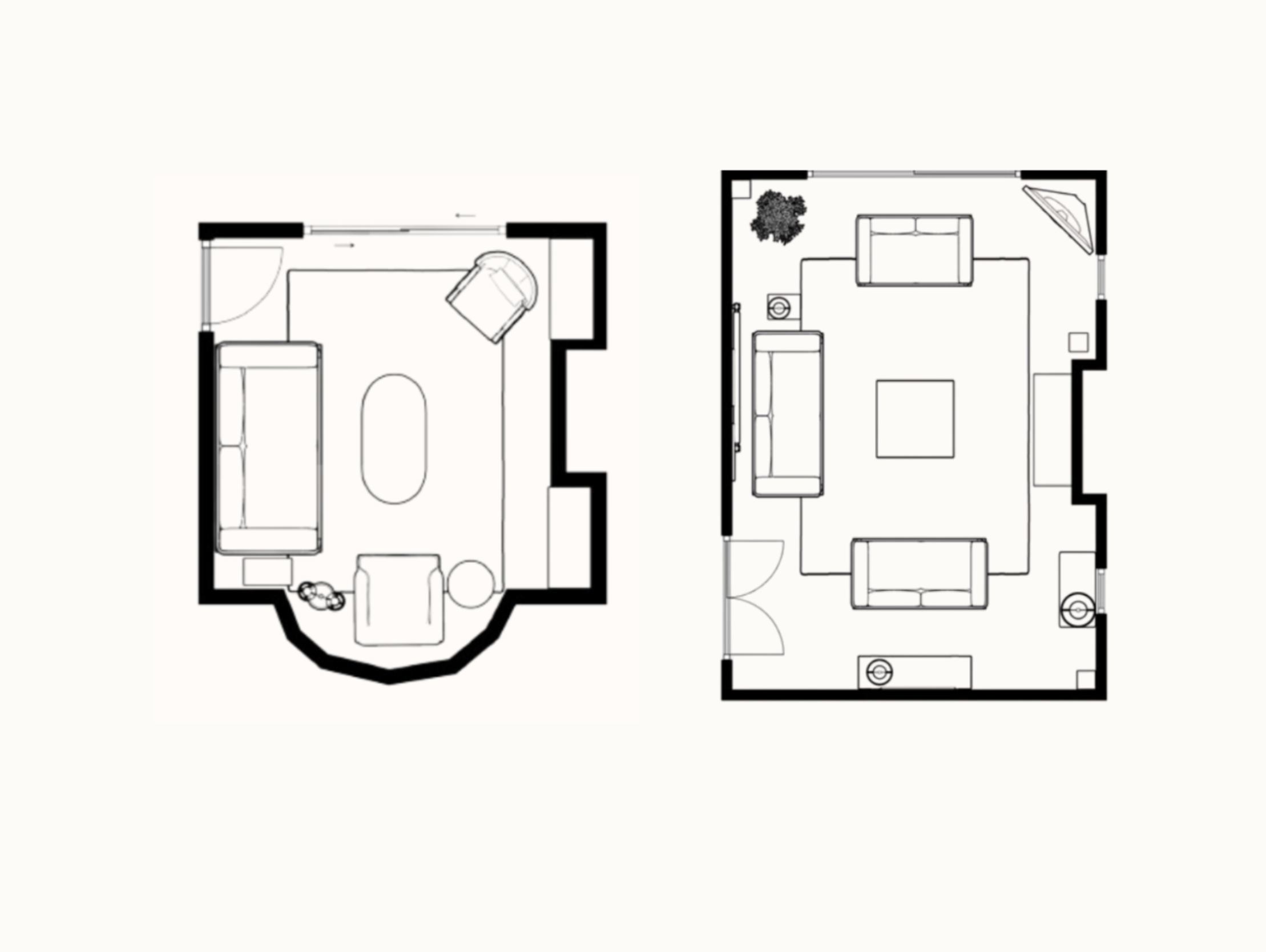
The Layout Fix
We’ll help you find the perfect layout so your room finally feels just right.
1. Don't start with the sofa
Possibly a strange thing to say in an article about choosing a sofa, but this is genuinely where we'd start. Before looking at styles, fabrics or colours, think about what you actually want your living room to do.
Is this the room where everyone piles in for a film on Friday night? Do you entertain friends here? Does somebody like lying full length on the sofa while somebody else wants a proper upright chair? Do teenagers congregate here? Does the dog believe all furniture was purchased specifically for him? We're definitely guilty of the last one.

How you live should determine what you buy, rather than trying to make family life fit around a sofa you happened to fall in love with online. For a family of five who spend most evenings together, a beautiful little two-seater and two occasional chairs might look wonderful in a photograph but prove hopeless in real life. Equally, an enormous corner sofa isn't automatically the answer to needing more seating if it dominates the room and leaves nowhere for anything else.
Before you think about the sofa, think about the life that's going to happen around it.
2. Work out the whole room layout before you buy
This is probably the single most important piece of advice we can give you. Your sofa doesn't exist in isolation. It has to work with your chairs, coffee table, side tables, fireplace, television, windows, doors, radiators and all the paths people naturally take through the room. A sofa can technically fit and still be completely wrong.
Before buying anything, draw your room to scale and experiment with different furniture arrangements. If you're not confident doing that, use masking tape on the floor to mark out the dimensions of the sofa you're considering. It gives you a much better sense of its footprint than reading 236cm on a website ever will.
Then think about everything else. Can you comfortably walk through the room? Is there somewhere to put a drink? Can everyone see the television if that's important to you? Does the room still feel spacious, or has the sofa swallowed it?
We recently worked with a family who came to us while planning their whole downstairs renovation. They already had ideas about what they wanted, but by looking at the space as a whole we were able to show them possibilities they hadn't considered and create a layout that made much better use of the room. Afterwards, they told us it felt more spacious, more functional and far better suited to their day-to-day family life.
That's the difference good space planning can make, and it's why we'd always rather work out the layout first and choose the sofa second.
3. Don't assume bigger means more comfortable
We see a tendency to buy the biggest sofa a room can physically accommodate, particularly in family homes where everyone understandably wants somewhere comfortable to sit. The problem is that an oversized sofa can make a generous room feel surprisingly cramped, while one that's too small can look rather apologetic floating against a large wall.
Think about proportion rather than simply maximum size. You need enough breathing space around the sofa for the rest of the room to work, and enough space left for all the other things a living room needs.
There are plenty of design rules online about how big your sofa should be in relation to the wall behind it, but we wouldn't get too hung up on them. British homes have an annoying habit of throwing in a bay window, chimney breast, radiator or doorway just where the rule book says they shouldn't.
4. Think about how you actually sit
This sounds obvious, but it's surprisingly easy to forget when you're standing in a beautiful showroom.
Some people sit properly on a sofa. Others haven't sat upright on one since approximately 1998. In my house, when my children were small, they all wanted to sit right next to me. With one on either side and the third inevitably on my lap, there wasn't much room for me.
In direct contrast, now with three long and lanky teenagers, they all want to lie completely prostrate on the sofa without so much as a little toe coming into contact with each other. As you can imagine, that doesn't tend to leave much room for me. Family life changes, but apparently my allocation of sofa space does not.
Think about how you like to relax. If you like curling your legs underneath you, a deeper seat will probably feel wonderful, whereas if you're shorter that same deep sofa might leave your feet dangling several inches above the floor. If you love lying down, check the usable length between the arms. If you prefer more support, look carefully at the back height and filling. And if everyone wants to put their feet up, a chaise, footstool or modular arrangement might make far more sense.
If you're spending a significant amount of money, sit on the sofa first whenever you possibly can, and don't feel you need to behave as though you're at a job interview while you do it. Take your coat off, sit back, try the corner, put your feet up if they'll let you and make your partner sit beside you. You're going to spend hundreds, possibly thousands, of hours on this thing, so give it a proper test.
5. Choose the fabric for your real family
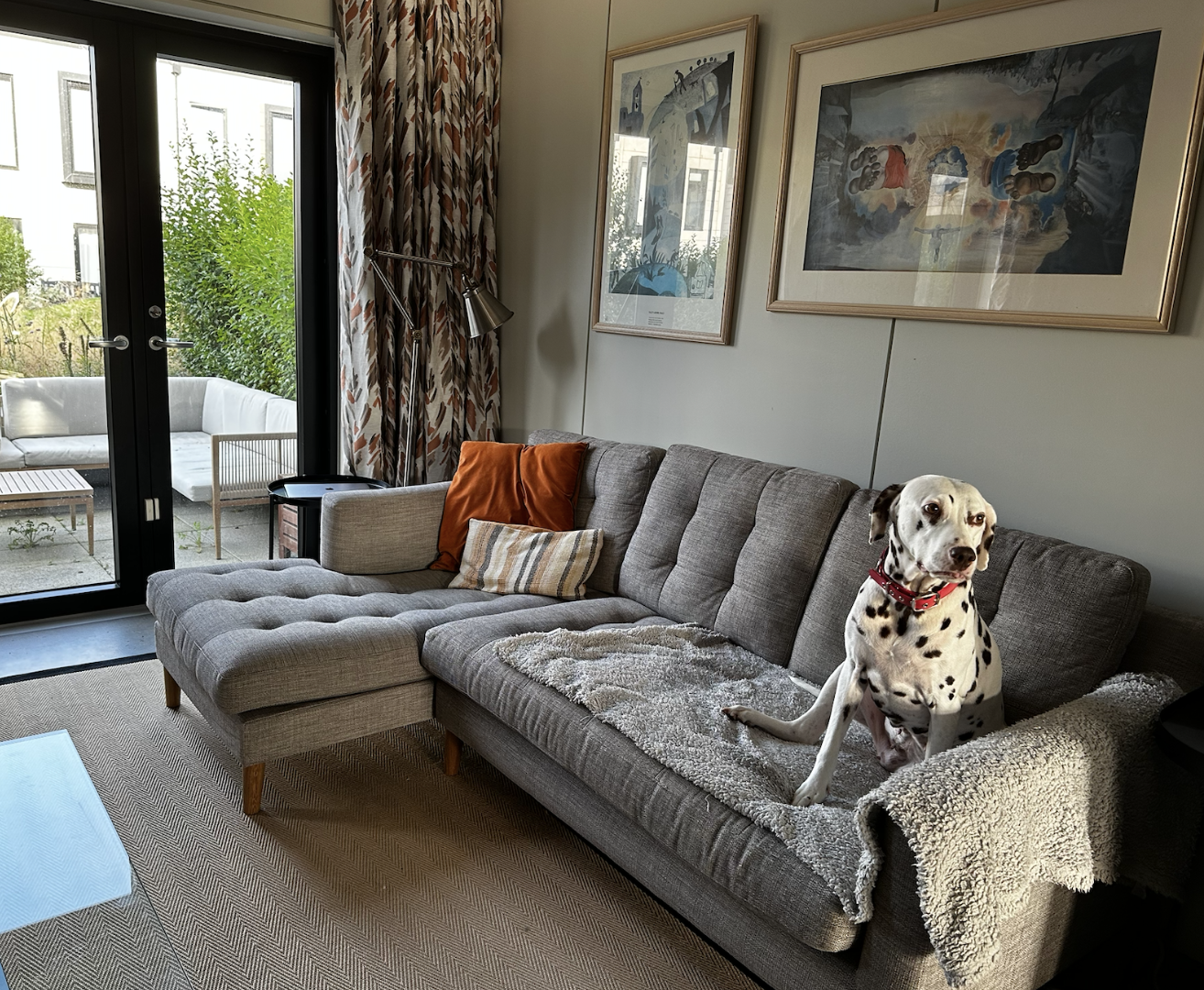
We love beautiful fabrics, but we also live in the real world. Children spill things, dogs come in wet, jeans transfer dye and someone will eventually eat chocolate on your lovely new sofa despite swearing faithfully that nobody ever will. My daughter has taken to eating several ice pops a day and leaving the sticky plastic wrappers discarded on the sofa. Lovely.
The right upholstery depends enormously on your household. If your living room works hard, ask about durability, stain resistance and cleanability. Removable or washable covers can be enormously useful in a family home, textured fabrics can sometimes be more forgiving than perfectly smooth ones, and very pale fabrics aren't necessarily off limits if you've chosen something designed to cope with everyday life.
Will the sofa be hosting children's sleepovers, toddler playdates and tipsy evenings with friends? If the answer is yes, the fabric choice really matters.
Ask for samples and take them home. Look at them in daylight and artificial light, put them next to your flooring, curtains and other furniture and actually feel them. If you have a dog, we'd even suggest holding the sample against the dog. It may look slightly ridiculous, but you'll quickly discover whether your chocolate Labrador and cream bouclé sofa are going to form the harmonious relationship you imagined.
6. Don't choose the colour in isolation
Perhaps you've found the perfect sofa in a gorgeous green, rust, cream or something beautifully patterned. Before you get too attached to it, look at everything else that's going to share the room with it.
What colour is the floor? What window treatments will you have? What about the rug, walls, existing furniture and artwork?
One of the biggest differences between choosing individual things you love and creating a room you love is understanding how those pieces relate to each other. That certainly doesn't mean everything has to match. We'd usually prefer that it didn't. But there needs to be a thread running through the room so everything feels as though it belongs together.
The sofa is a major part of that, particularly because of its size, but it can't be expected to do all the work on its own.
7. Be careful with trends
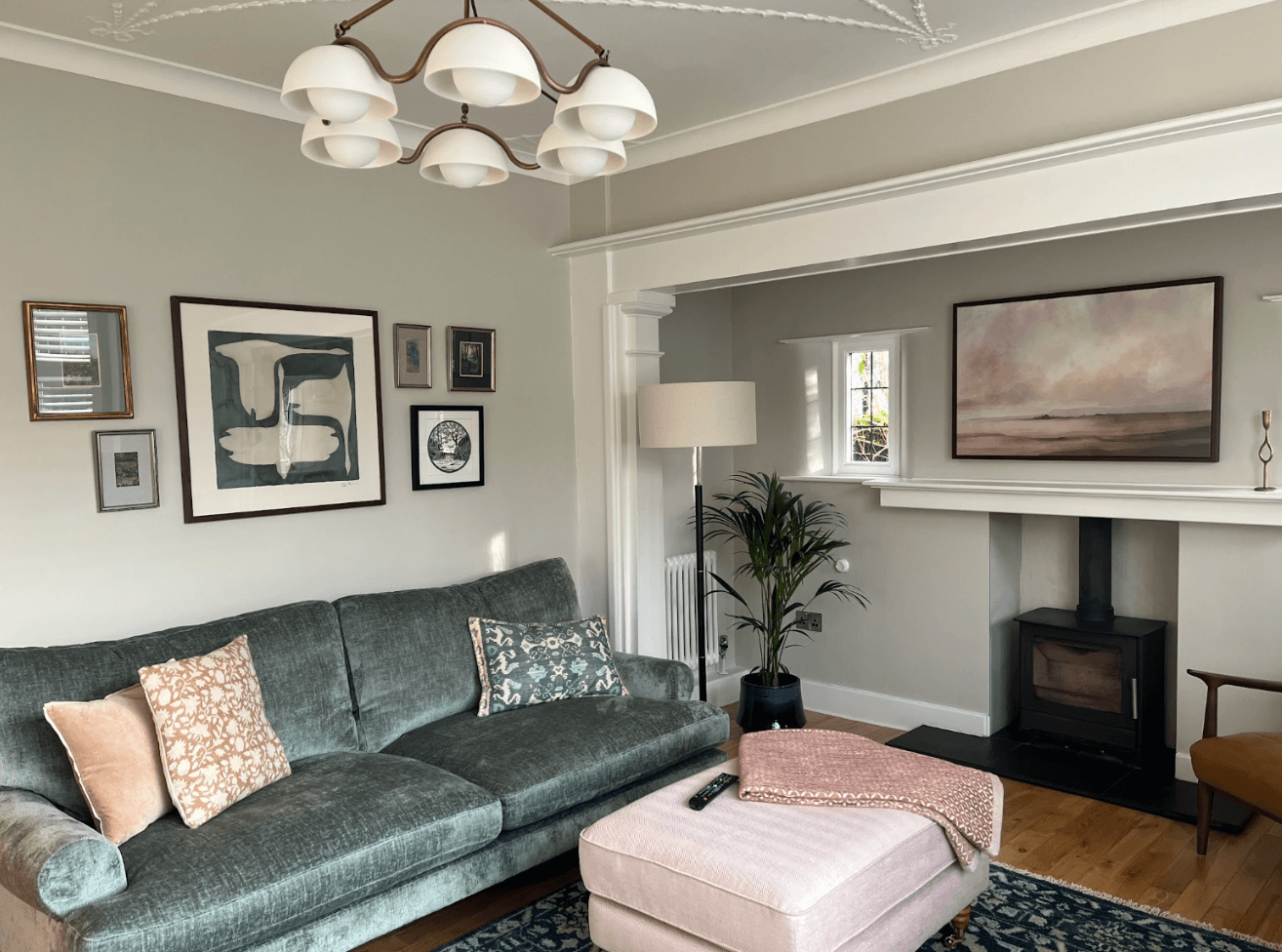
A sofa is a fairly long-term relationship, so we'd think carefully before investing heavily in something very fashionable unless you genuinely adore it.
A useful question to ask yourself is whether you'd still want it if Instagram stopped showing it to you tomorrow. If the answer is yes, brilliant. Your home should reflect you and there's absolutely nothing wrong with choosing colour, pattern or an unusual shape if that's what you love.
There is, however, a difference between choosing something because it feels like you and choosing it because you've seen it forty-seven times this month. Bouclé, scalloped edges and enormously bulbous sofas may come and go, but your living room still has to make you happy when the algorithm has moved on.
8. Spend where it matters
A good sofa can be a significant investment, but considering how much use it gets, that isn't necessarily a bad thing. If your family sits on it every day for the next ten years, it will probably end up being one of the hardest-working pieces of furniture you own.
Look beyond the fabric and ask about the construction, frame, suspension, cushion fillings, guarantees and where it's made. Spending more doesn't automatically guarantee a better sofa, so understanding what you're actually paying for is much more useful than simply assuming a higher price means higher quality.
We source furniture for our clients from right across the market because good design isn't about making everything expensive. It's about knowing where an investment will make a difference and where it won't.
9. Measure the boring bits too
You've measured the living room, checked the dimensions of the sofa and possibly even marked it out on the floor. Excellent. Before you order it, however, there's one slightly less exciting part of sofa shopping that's really worth doing: working out how on earth it's going to get into the room.
Measure your front door, hallway, internal doorways, staircases and any particularly unhelpful corners between the delivery van and the sofa's final resting place. Older British houses are particularly good at providing generous living rooms accessed via inexplicably narrow doorways, so never assume that because a sofa fits beautifully in the room, it will also fit beautifully through the house.
Check the supplier's access requirements carefully, including whether the legs or arms can be removed. Modular sofas can be brilliant where access is difficult, but again, check rather than hope.
There are few moments less joyful than standing on your driveway with several thousand pounds' worth of beautiful upholstery while two increasingly unconvinced delivery drivers explain that it is absolutely not going around that corner. It's a very expensive way to discover that you should have measured the hallway.
10. Consider everything that needs to live around it
This is something people often underestimate when they're planning a living room. You've allowed for the sofa, but what about the coffee table, side tables, lamps, an occasional chair, footstool, storage, console, children's games, dog bed and perhaps enough floor space for somebody to do yoga without moving half the furniture first?
A sofa that looks perfectly proportioned in an empty room can suddenly feel enormous once everything else arrives. It's why we prefer to design a room as a whole rather than choosing one piece at a time.
Before you buy, don't just ask whether the sofa will fit. Imagine the room once everything else you actually need is in there too. If it still feels comfortable, balanced and easy to move around, you're getting somewhere.
11. Think about the room five years from now
Family homes have a habit of changing while we're not looking. The playroom becomes a snug, small children turn into very large teenagers and teenagers eventually leave home, only to reappear periodically with three friends, four enormous bags and an expectation that the fridge will still be full.
When you're investing in a sofa that you hope to keep for many years, think beyond what your family needs right now. A modular design might give you more flexibility as the room evolves, a hardwearing fabric may prove a very wise decision when life gets messier, and a style you genuinely love will usually serve you better than something chosen because it happens to be everywhere this year.
It's also worth considering whether the sofa could work if the room itself changes. Could you reconfigure it? Would it sit happily with a different colour scheme? Will it cope if the peaceful sitting room unexpectedly becomes teenager HQ in a few years' time?
We don't believe family homes should be designed like museums, frozen at one perfect moment in time. They're supposed to evolve as the people living in them do, and the best furniture should be able to evolve with them.
12. Before you buy the sofa, step back and look at the whole room
We've seen homeowners spend thousands on a sofa they genuinely love, only to discover that once it arrives, the room still doesn't feel quite right. Usually, the sofa itself isn't the problem. It's that it was chosen without properly considering everything that's going to happen around it.
A successful living room comes from getting the layout, scale, colour, lighting, furniture and textures working together, while remembering that actual human beings have to live there at the end of it all.
Once you've considered the whole room, choosing a sofa becomes much easier. Instead of endlessly asking yourself whether you like it, you can make the much more useful decision about whether it's right for your room and your family.
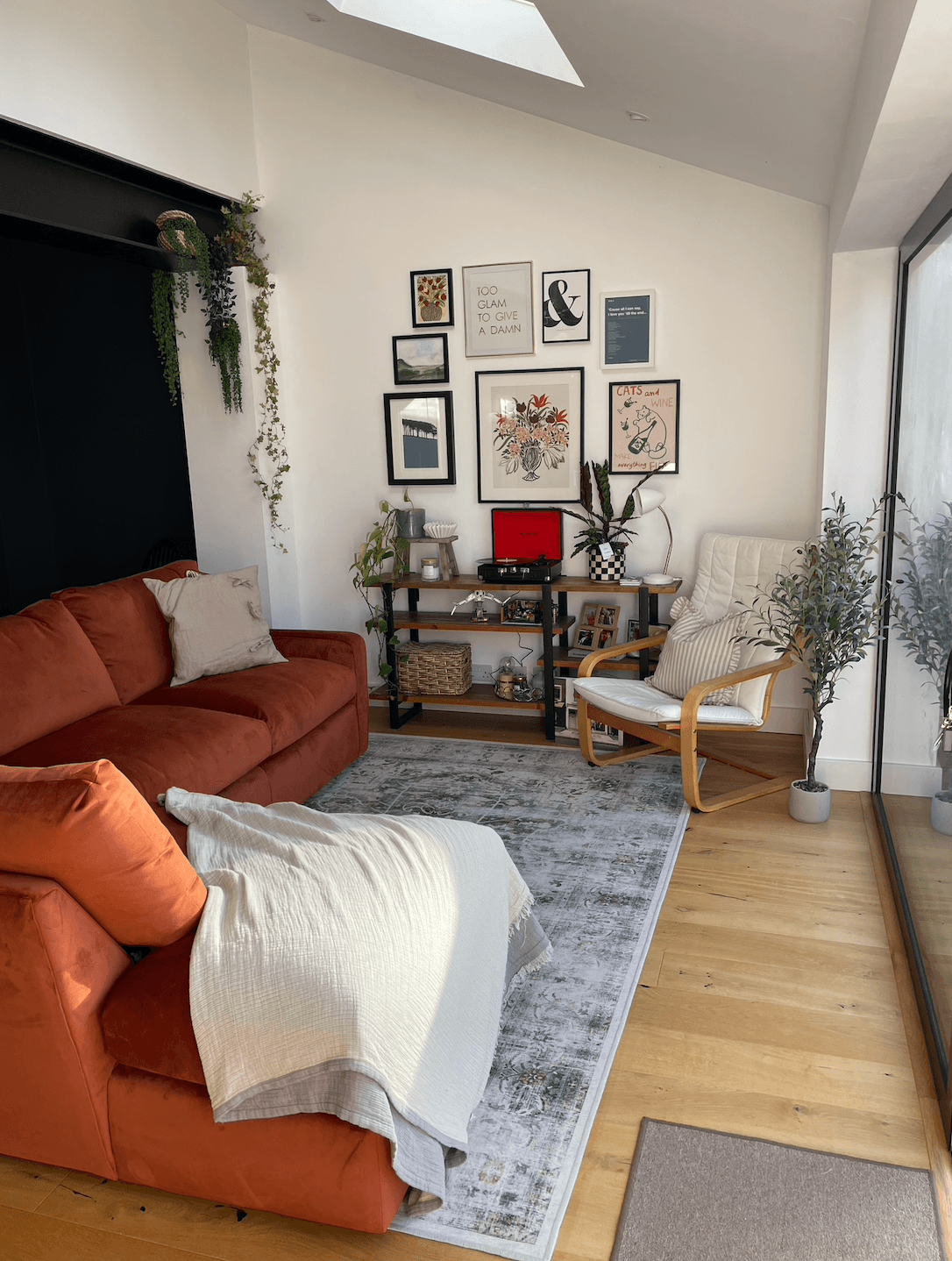
How to choose the right sofa for your living room
If you want the short version, these are the questions we'd ask before buying:
How does our family really use this room?
What layout will make the room work best?
What size and shape of sofa suits that layout?
How do we actually like to sit and relax?
What fabric will cope with our everyday life?
Does the colour work with the whole room?
Is the style something we'll still love in years to come?
Is the quality right for how much we'll use it?
Can we actually get it into the house?
Does everything else the room needs still fit around it?
If you can answer all ten confidently, you're in a very good position to buy. If you can't, it may be worth taking one step back before spending the money.
And if the sofa isn't really the problem...
We often find that choosing a sofa becomes difficult because you're actually trying to design an entire room one decision at a time. You choose a sofa and then start wondering about the rug. You find a rug and question the paint. Then you start looking at curtains and somehow end up reconsidering the sofa you spent three months choosing in the first place.
It's exhausting, and it's one of the reasons we created The Complete Design.
It's for families who are ready to transform a whole room but don't want to spend months researching, second guessing and hoping that everything will eventually work together. We start by understanding how your family lives and what you want from the room, then work out the layout, develop the design direction, source the furniture and finishes and show you how everything will come together before you start making the big purchases.
Instead of having 47 sofa tabs open and wondering whether any of them are right, you have a considered plan and know exactly what you're looking for and why.
Ultimately, we're not trying to help you find a perfect sofa. We're trying to help you create the sort of room where everyone wants to sit down and stay for a while.
If you're planning a room and would like some expert help getting it right, book a free Discovery Call with The Living House. We'll talk about your space, what you'd love it to become and whether we're the right people to help you get there.
Book your free Discovery Call
Frequently Asked Questions About Choosing a Sofa
What should I consider when choosing a sofa?
Start with how you use your living room, then consider the room layout, sofa size and shape, comfort, upholstery, colour, quality and access for delivery. The right sofa should work for both your room and the way your family lives.
How do I know what size sofa to buy?
Measure the whole room rather than just the wall where the sofa will sit. Plan the positions of your other furniture and make sure there is comfortable space to move around the room. Marking the proposed sofa dimensions on the floor with masking tape is a useful way to understand its true scale before ordering.
Should a sofa be against the wall?
Not necessarily. In some rooms, bringing a sofa away from the wall can create a much better layout and help define different zones, particularly in larger or open-plan spaces. The best position depends on the shape of your room, its focal points and how people move through it.
What is the best sofa fabric for a family home?
The best sofa fabric depends on your household. Families with children or pets may want to prioritise durability, stain resistance and ease of cleaning. Always order fabric samples and look at them in your own home before making a final decision.
Should I choose the sofa before the paint colour?
We'd usually recommend planning the whole room before committing to either. Your sofa, walls, flooring, curtains, rug and other furniture need to work together, so developing an overall colour and design direction first can prevent expensive changes later.
Is it worth spending more on a sofa?
It can be. A sofa is often used every day for many years, so quality, comfort and durability are worth considering alongside price. Spending more doesn't automatically guarantee a better sofa, though, so look carefully at its construction, materials, guarantees and suitability for your family.
Can an interior designer help me choose a sofa?
Yes. An interior designer can help determine the right sofa size, shape, position, style, colour and fabric as part of the wider room design. This can be particularly useful when you're investing significantly in a room and want confidence that all the individual pieces will work together.
The Living House is an online interior design studio helping families transform their homes into spaces that are beautiful, functional, and unmistakably theirs. Browse our services at thelivinghouse.co.uk.
RELATED BLOGS:



Here at The Living House, we’re so excited to announce the launch of our new service — The Layout Fix. Designed to help solve your room layout challenges!
As interior designers, we know that getting the layout right is one of the most important parts of a successful design. In fact, it’s always where we start because how can you know what’s going to fit, or how a room will function, if the layout hasn’t been nailed down first?