
What is colour drenching and how can it transform your home?
Written by Sophie Clemson
Colour drenching is a growing trend that’s set to make a big impact in 2025, and we couldn’t be more excited! At The Living House, we love seeing colour drenched rooms come to life.
Whether you’re a fan of cosy interiors or looking for ways to make your space feel bigger, you’re in the right place. Keep reading as I share everything you need to know about colour drenching, including what it is and my top tips for mastering this stunning paint technique.
What is colour drenching?
Why is colour drenching effective?
Colour drenching tips
What is colour drenching?
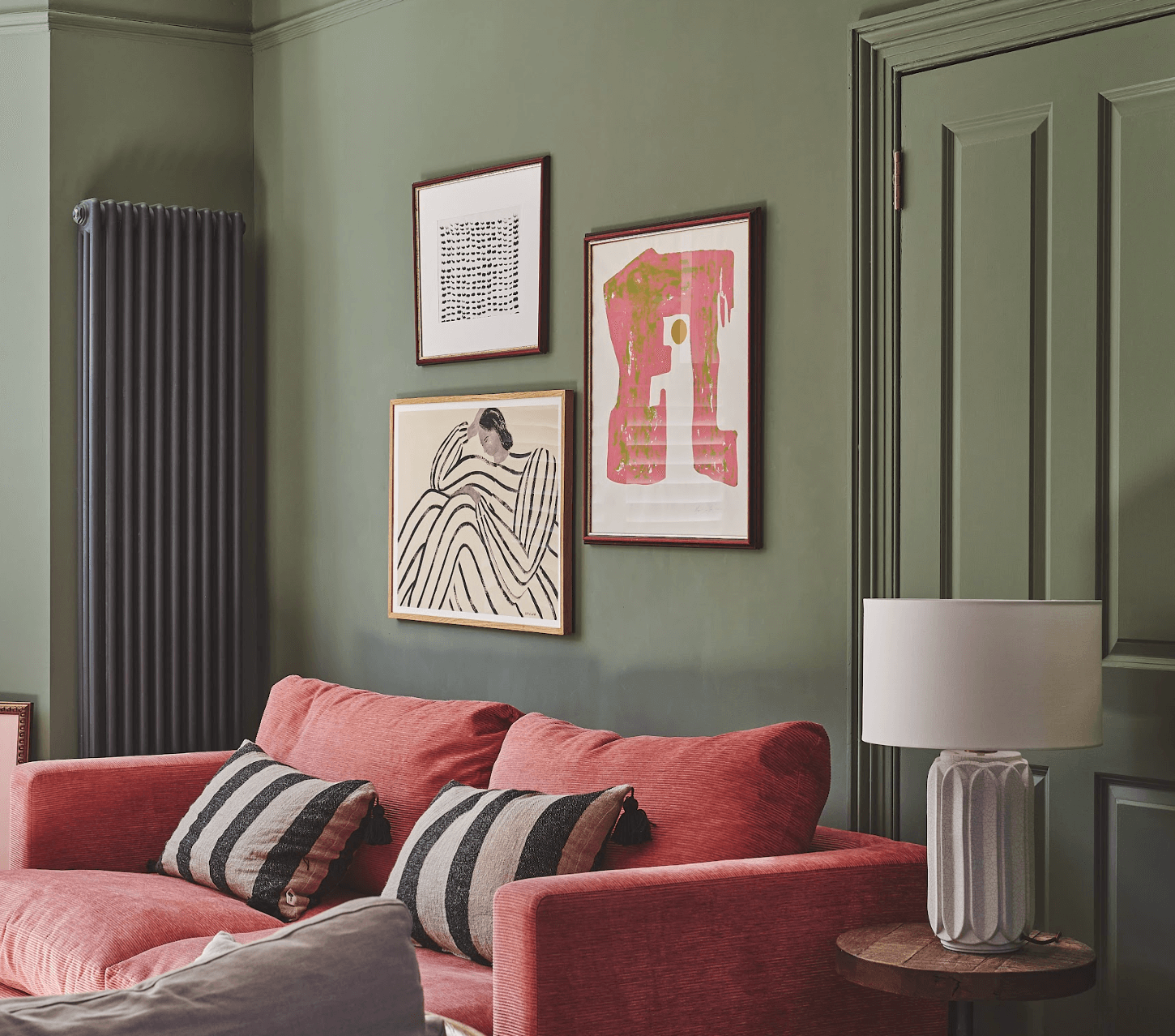
Colour drenching is where you paint the entire room in one colour. This includes the walls, ceiling, and woodwork. Say goodbye to white ceilings, skirting boards, and architrave, it’s time to use one colour throughout. You may be thinking this seems quite bold to paint everywhere, but trust me, once you do, you’ll wish you had sooner! Colour drenching can completely transform a room into a cocooning space that has depth and a cosy feel. One of the big benefits is you no longer have to cut in when decorating, which is always a bonus!


Image credit - Dunelm
Why is colour drenching effective?
Colour drenching can add depth to a room and make it feel cosy and inviting. Painting everywhere in the same colour removes the harsh lines you normally get between the walls and ceiling.
You may be thinking, I have a small room, so colour drenching wouldn’t work; however, this isn’t the case at all. We recommend painting a small room in one entire colour, as colour drenching blurs the edges of the room, which will soften the space and make it feel bigger.
Here’s my top five colour drenching tips
1. Never forget the radiators!
When you’ve colour drenched a room, the last thing you want is a white radiator ruining the entire look and standing out. Paint your radiators the same colour as the walls, they will blend into the room and become almost invisible. We would always recommend this, colour drenching or no colour drenching!
2. Paint your built in furniture
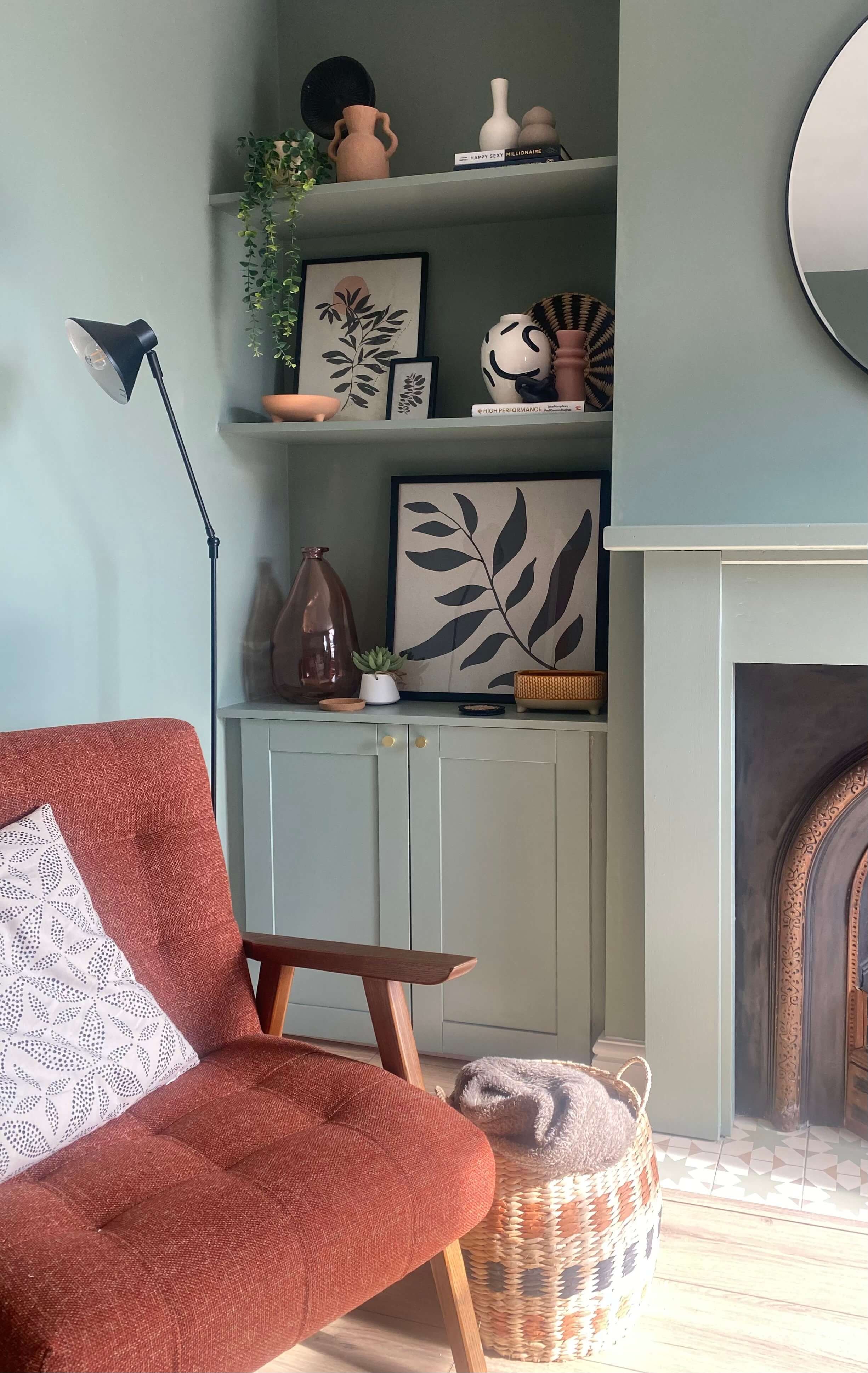
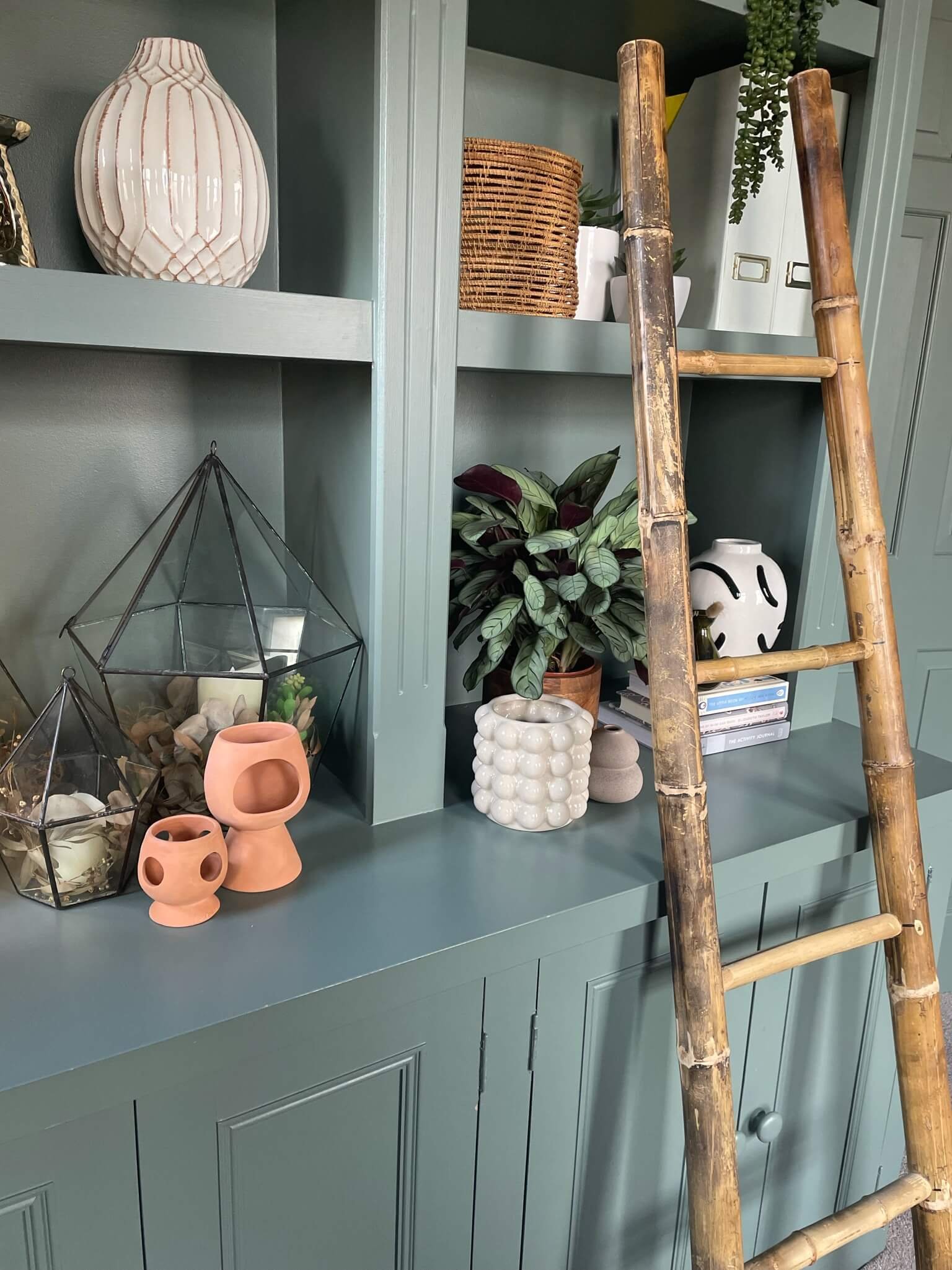
If you have any built in furniture within the room, make sure you paint this the same colour as the walls too. This could be built in alcove units in your living room or wardrobes in your bedroom. It will create a cohesive look, and it will trick the eye, making the room appear bigger.
3. Use contrasting pieces of furniture or soft furnishings
Using pops of accent colours in a colour drenched room creates striking contrast, making furniture and soft furnishings stand out. For example, in a rich olive green room, a coral table lamp or a terracotta armchair can add playful interest and vibrancy to the space.
4. You don’t have to go for a dark and moody look
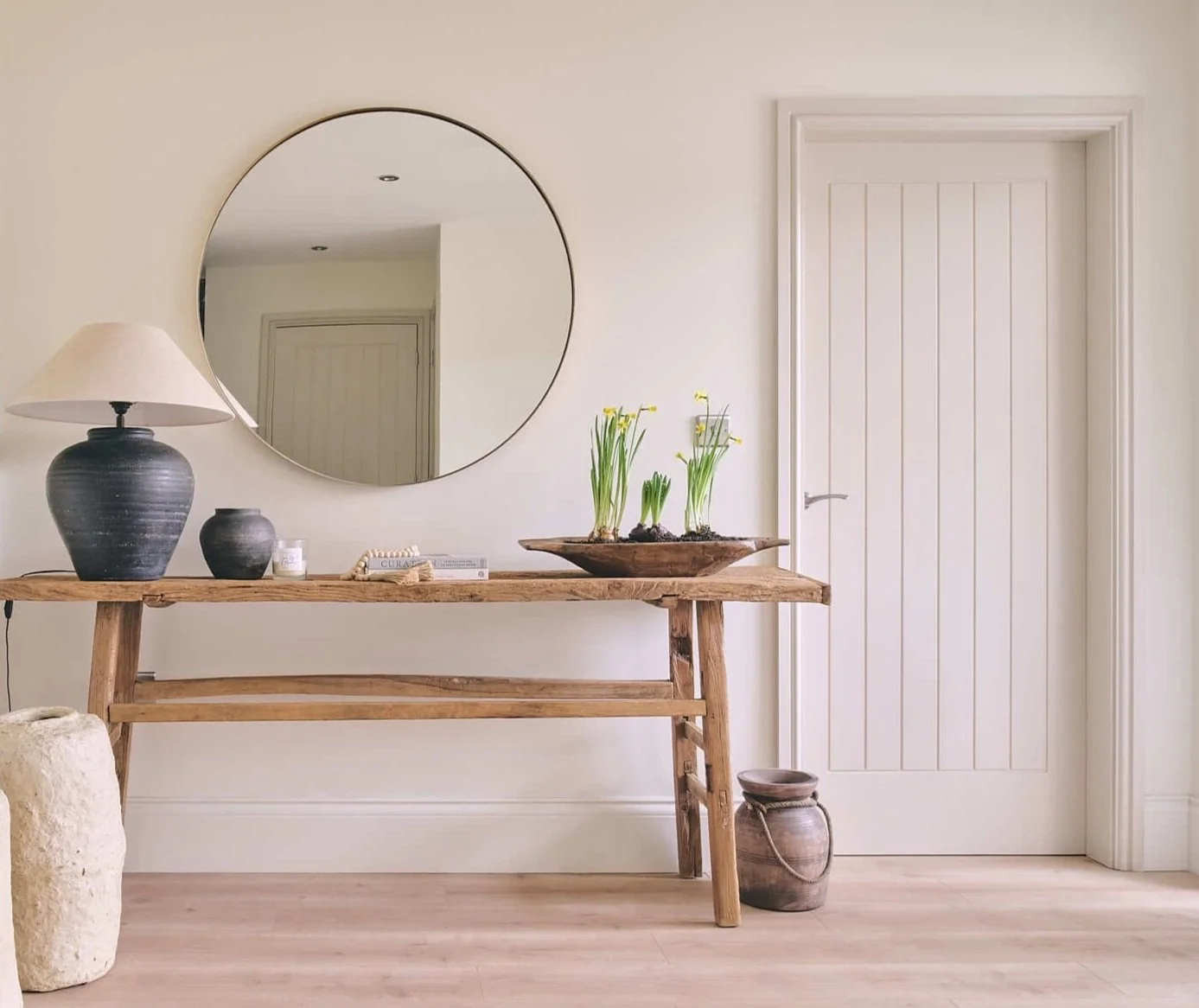
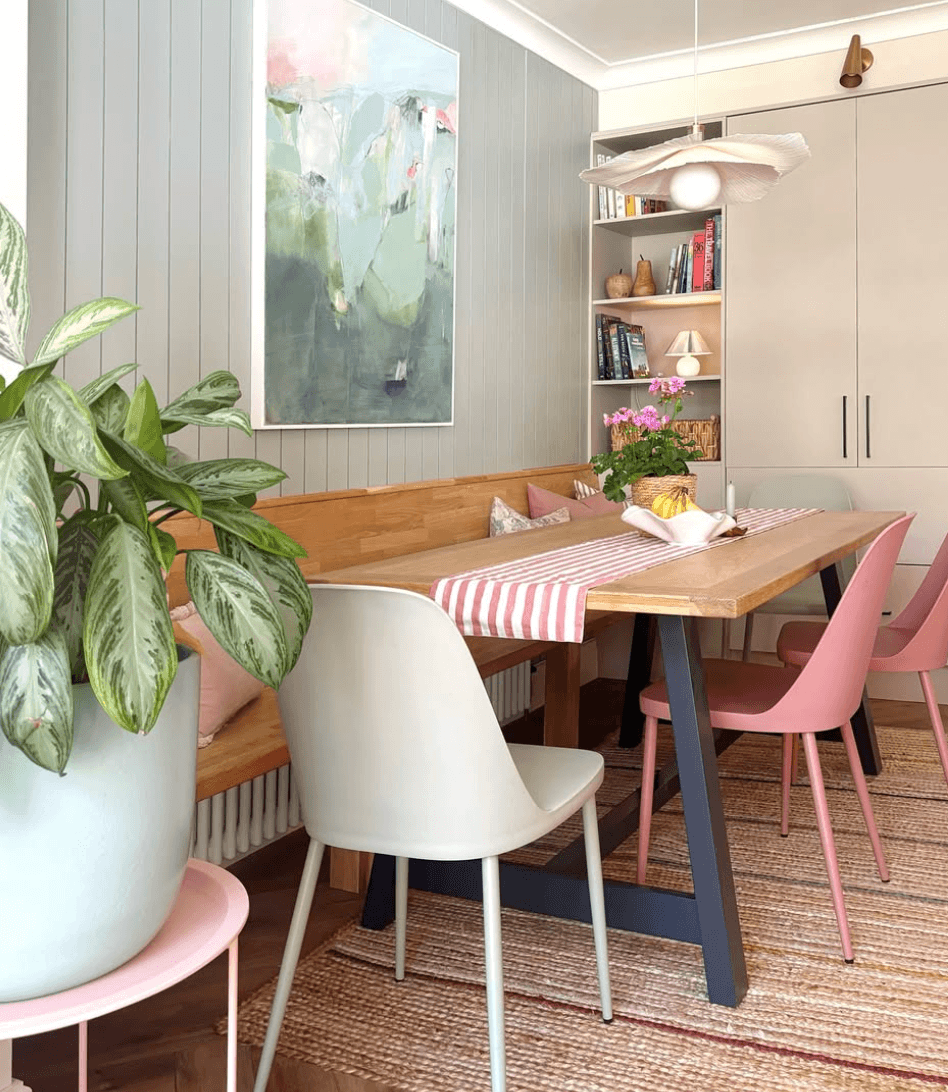
You will often see colour drenching being used with dark paint colours however, this technique can equally look as beautiful in a room with a neutral colour palette. Whether you choose deep, rich tones or soft, calming shades, colour drenching is all about adding depth and warmth, resulting in a cosy and cocooning space.
5. Replace your white light switches and sockets
Similar to radiators, if you’ve got a gorgeous dark colour drenched room, you don’t want your light switches and sockets standing out for the wrong reasons. We would opt for a metal finish such as a brushed brass or paintable options, which are very popular right now. You can find paintable light switches and sockets from brands such as Cortson or Soho Lighting.

Image credit - Soho Lighting

Image credit - Soho Lighting
Are you ready to pick up the paint brushes and transform your room into a cosy, colour drenched haven? I’m confident you’ll adore the result and find yourself inspired to colour drench every room in your home!
Want to know more about The Living House and how we can help you?
RELATED BLOGS:

Planning an extension or taking walls down? Before you commit to open plan living, think about where the sofas will go, what happens to the rooms you already have, and whether anyone will be able to find a quiet corner. Sometimes, a family home works better with a wall in the way.